Why does one Mill Valley block wake up to fog while the next basks in sun by noon? If you are shopping here, the answer matters for how your home feels, what you spend on upkeep, and when you enjoy the yard. You want a place that fits your lifestyle, not a weather surprise. In this guide, you will learn how Mill Valley’s microclimates work, what to look for at each property, and how to factor weather into comfort, maintenance, and insurance. Let’s dive in.
Why Mill Valley varies
Mountains and canyons
Mount Tamalpais and the surrounding ridges shape wind, fog, and sunlight. Ridgetops and wind-facing slopes see more breeze and cloud cover. Sheltered canyons tend to be calmer and warmer during the day, but they can hold cool air and moisture at night. Slope direction matters too: south and southwest exposures typically get more sun and warmth.
Marine layer and bay influence
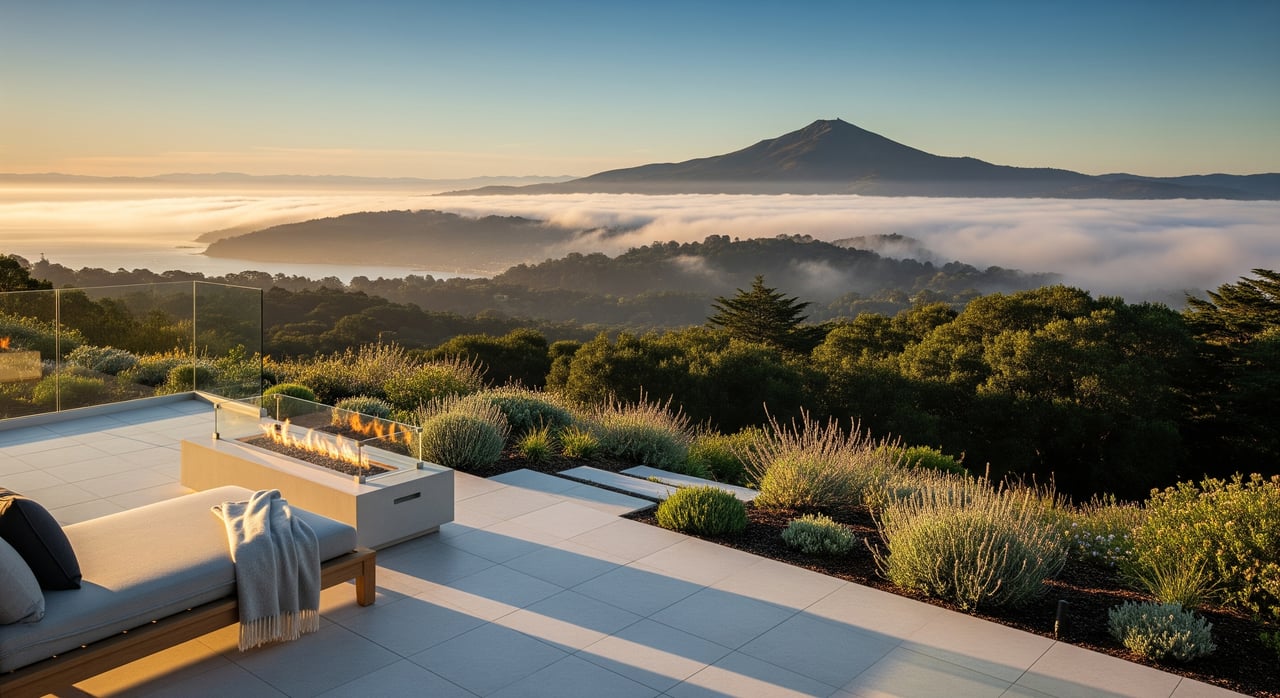
Cool, moist air often pushes in from the Pacific through the Golden Gate, filling Marin with a low cloud deck in late spring and summer. The closer your home is to the open water or a clear channel to the Gate, the more likely you are to see morning fog. For daily context on the marine layer and winds, check the National Weather Service Bay Area forecast discussion. Homes near Richardson Bay also see higher humidity and salty air, which affects materials over time.
Elevation and wind patterns
Even small elevation changes can create different day and night temperatures. Valley floors collect cooler air overnight, while sun-facing hillsides warm quickly. Afternoon sea breezes are common, and gaps between ridges can funnel winds onto certain lots. A sheltered site can feel notably calmer than a nearby exposed ridge.
What weather feels like
Temperature swings
Mill Valley’s climate is mild overall, but the daily range can be noticeable. Foggy, bay-influenced areas often feel cooler and steady, while sun-exposed slopes can run warmer by afternoon and cooler after dark. For historical norms and context, review the NOAA U.S. Climate Normals.
Fog timing
Morning fog is common in late spring and summer. Many spots clear by midday, though fog can linger longer in low canyons and near the waterfront. That timing affects morning light for kitchens, home offices, and gardens, and it can reduce early-day solar production.
Winter rain and storms
From roughly November to March, Pacific storms deliver most of the annual rainfall. Hill slopes and rooflines need to move water away quickly. Expect bigger loads on gutters, downspouts, and retaining systems during a strong storm sequence.
Wind and smoke seasons
Afternoon sea breezes are part of daily life. In late summer and fall, regional wildfire smoke can reduce outdoor time and indoor air quality even if a fire is far away. You can track local air quality on AirNow.
How microclimates shape choice
Daily comfort and outdoor living
Ask yourself when and where you want sun. If you prefer warm, sunny afternoons on a deck, a south or southwest yard may fit. If you like cool mornings and shaded patios, a north-facing or bayside location might be better. Your yard’s orientation and wind exposure will determine how often you use outdoor spaces.
Energy and HVAC strategy
Cooler, foggier sites usually need more nighttime heating and better ventilation to manage humidity. Sunnier sites benefit from passive warmth but may need shade in summer afternoons. Heat pump systems tend to perform well here, and you will want strong filtration for smoke season. Whole-home filtration and balanced ventilation are smart upgrades in most locations.
Solar and natural light
Morning marine layer and tree cover reduce early-day solar output. Homes on sun-exposed slopes or above the marine layer often see better annual yields. A site-specific solar assessment can model shading, panel placement, and expected production for your exact roof.
Moisture, mold, and materials
Persistent morning dampness increases the risk of condensation and mildew, especially in shaded corners, crawlspaces, and attics with insufficient ventilation. Exterior wood elements and deck connections deserve close inspection. In foggier zones, plan on vigilant upkeep of flashing, paint, and sealants.
Slope, drainage, and stability
Hillside lots demand proper grading, surface drains, and solid retaining structures. During storm cycles, runoff concentrates and can stress older systems. If you are considering a steeper site, a geotechnical opinion is common and prudent in Marin’s terrain.
Risk, insurance, and planning
Wildfire risk and hardening
Some parcels closer to wildland vegetation carry higher seasonal fire exposure. Review your address on the Cal Fire Fire Hazard Severity Zone viewer and read local defensible space programs from the Marin Wildfire Prevention Authority. Ember-resistant vents, Class A roofing, and cleared vegetation are key risk reducers and may help with insurance.
Flood, tides, and sea-level
Low-lying areas near Richardson Bay can sit in mapped flood zones, which may require flood insurance. Confirm the property’s status on the FEMA Map Service Center. For shoreline planning and sea-level policies in Marin, review the County’s Local Coastal Program resources.
Salt and corrosion near the bay
Salty air around the waterfront accelerates corrosion on metal railings, exterior fasteners, and HVAC condensers. Expect a tighter maintenance cadence for coatings and hardware on bayside exposures. Choosing marine-grade fixtures where possible can extend life and reduce long-term costs.
Power shutoffs and backup plans
In high wind and fire weather, utilities may initiate Public Safety Power Shutoffs. Learn how PSPS events work and how to prepare on PG&E’s PSPS page. If you need continuity for work or health devices, evaluate battery storage with solar or a standby generator, and verify local permitting requirements.
Water-wise landscaping that fits
Your planting plan should match your site’s sun, wind, and fog patterns. Drought-tolerant and native species can thrive with less irrigation while also reducing fuel loads. The Marin Municipal Water District offers guidance on climate-appropriate landscapes and water-smart irrigation.
Your microclimate checklist
Pre-offer visits
- Visit early morning to see fog, dew, and any drainage issues.
- Return late afternoon to check sunlight, wind exposure, and outdoor comfort.
- If possible, stop by during or just after a storm to watch runoff and look for ponding.
- Compare nearby blocks to feel how conditions change across the neighborhood.
Documents to request
- Roof and gutter service records, including flashing and valleys.
- HVAC maintenance history and any whole-home filtration details.
- Recent pest, moisture, or mold reports and remediation records.
- Defensible space work and permits if applicable.
- Any insurance claims related to water, wind, fire, or mold.
Inspectors to consider
- Licensed home inspector experienced in coastal, damp climates.
- Geotechnical or civil engineer for hillside drainage and stability.
- Fire-hardening and defensible space assessor for wildland-adjacent sites.
- Solar and site energy consultant for PV feasibility and shading.
- HVAC specialist to assess filtration, ventilation, and heat-pump suitability.
Key inspection items
- Roof condition, flashing, chimney and vent seals; gutter capacity and downspout routing.
- Attic and crawlspace insulation and ventilation; look for moisture staining or odors.
- Exterior siding, deck connections, under-deck drainage, and fastener corrosion.
- Site grading to ensure water flows away from the foundation.
- Vegetation clearance around structures based on slope and plant types.
- Presence and condition of mechanical ventilation and any HEPA filtration.
Insurance and permitting checks
- Confirm flood status on the FEMA Map Service Center.
- Check wildfire classification on Cal Fire’s map and ask insurers about coverage at the specific address.
- Review local planning resources for shoreline or hillside regulations.
Neighborhood-level scenarios
Bayside flats near Richardson Bay
Here you get cooler mornings, higher humidity, and more frequent fog. Outdoor metalwork and coastal-facing materials may need more frequent maintenance due to salt. Expect comfortable summer afternoons once fog retreats, and plan for good indoor ventilation to manage moisture. Check flood maps, drainage, and corrosion on exterior fixtures.
Canyon or valley bottom
Shaded canyons can be quiet and protected from wind, but they also hold cool air and morning dampness. You will want to study roof drainage, crawlspace ventilation, and any history of mildew. Afternoon sun windows may be shorter, so prioritize interior light where you need it most. Landscaping should avoid water pooling near the structure.
Sun-exposed slope on Mt. Tam side
These properties can be bright and warm in the afternoon with expansive views. They may feel breezier and can face higher storm exposure on windward sides. Plan for shade strategies in summer and strong water management for winter storms. If near wildland fuels, prioritize defensible space and ember-resistant features.
Put it all together
You do not choose a Mill Valley home by square footage alone. You choose by how the microclimate supports your daily life, your maintenance plan, and your risk profile. With the right due diligence, you can enjoy the weather you want and avoid surprises. If you want local, hands-on guidance, curated inspectors, and a clear plan from tours to close, connect with Jeff Marples for a personalized consultation.
FAQs
Will my Mill Valley home be foggy?
- Fog is common near the bay and in low canyons, mostly in late spring and summer mornings, and often clears by afternoon; visit early and late to see the pattern.
How does the marine layer affect solar panels?
- Morning fog reduces early output; sun-exposed or higher sites generally see better annual yields, so get a site-specific shading and production assessment.
Am I at high wildfire risk in Mill Valley?
- Risk varies by parcel; check your address on Cal Fire’s map and follow Marin Wildfire Prevention Authority guidance for defensible space and home hardening.
Does bayside living increase maintenance?
- Salty air accelerates corrosion, so expect more frequent upkeep for metal fixtures, exterior fasteners, and HVAC condensers near the waterfront.
What inspections matter most for microclimates?
- Focus on roof and flashing, drainage and grading, attic and crawlspace moisture, HVAC filtration and ventilation, and defensible space on hillside or wildland edges.