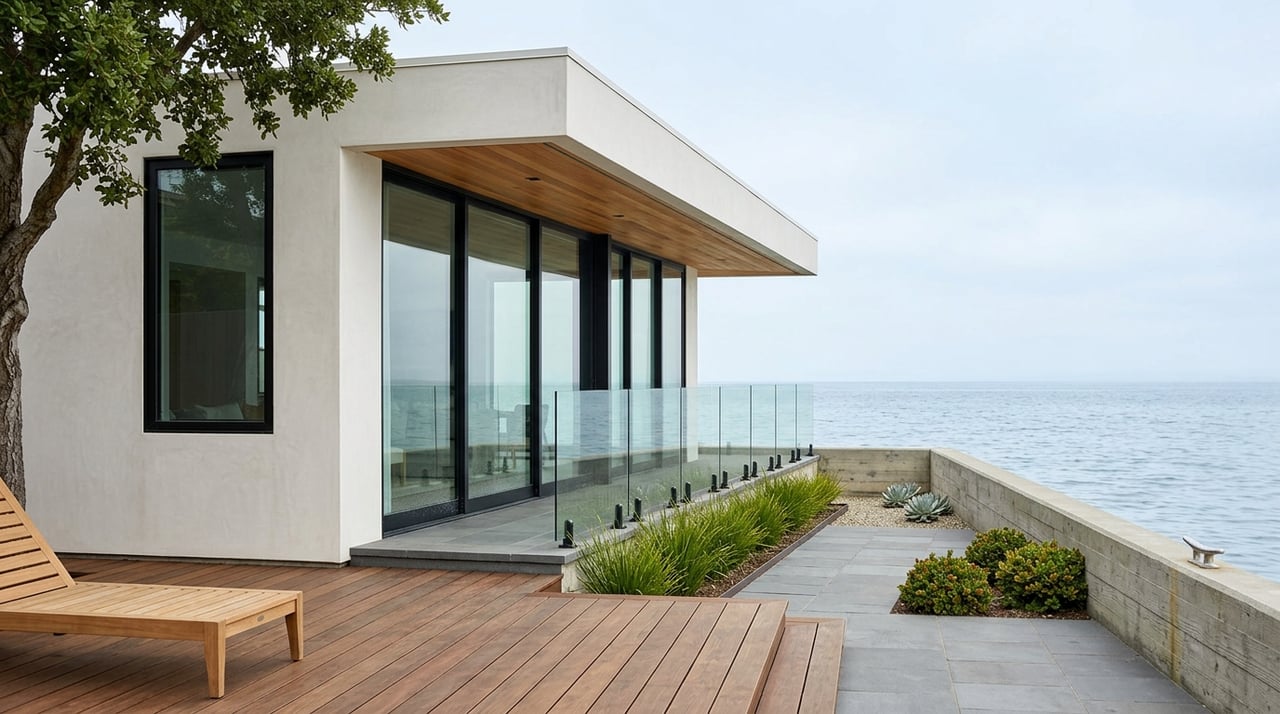
Trying to choose between Tiburon and Belvedere? At a glance, both offer waterfront living in southern Marin, beautiful bay outlooks, and a polished lifestyle. But when you look closer, the decision often comes down to how you want to live day to day: walkable village convenience or a quieter private enclave. If you are weighing these two markets, this guide will help you compare their feel, housing mix, access, and lifestyle fit so you can narrow in on the right move for you. Let’s dive in.
Tiburon vs. Belvedere at a glance
The clearest way to compare these two communities is not luxury versus luxury. It is active village living versus secluded waterfront ownership.
Belvedere is one of the smallest and oldest cities in California. According to the City of Belvedere, it is surrounded by water, made up of two islands and an artificial lagoon, and has just 0.5 square miles of land with fewer than 1,000 residences and very little retail or commercial presence.
Tiburon has a different setup. The town’s planning documents describe it as a four-square-mile peninsula with a connected downtown system centered around Main Street, Ark Row, the shoreline, and Tiburon Boulevard, with housing and transit planning closely tied to the village core, according to the Town of Tiburon housing element.
Why Tiburon feels more active
If you want a place where you can be close to restaurants, shops, and ferry access, Tiburon is usually the stronger fit. Its downtown was shaped around everyday activity, with the shoreline and village center working together as part of one public realm.
The Town of Tiburon downtown plan describes Main Street and Ark Row as part of a memorable village setting. That planning focus shows up in the lived experience: a more compact center, more movement throughout the day, and easier access to waterfront amenities.
Tiburon also has the ferry landing right downtown. Golden Gate Ferry says the Tiburon route operates on weekdays, takes about 30 minutes one way, and departs from a landing adjacent to restaurants and boutique shops at the foot of Tiburon Boulevard.
For many buyers, that combination supports full-time living. If your ideal morning includes grabbing coffee, walking along the shoreline, or having a transportation option built into downtown, Tiburon checks more of those boxes.
Why Belvedere feels more private
Belvedere tends to appeal to buyers who want a residential environment with less commercial activity around them. Since the city has very little retail or commercial presence and relies on the neighboring Tiburon ferry landing for that transit connection, the atmosphere reads as quieter and more secluded.
That does not mean isolated in a negative sense. It means Belvedere offers a more retreat-like rhythm, where the focus is on the home, the setting, and the water rather than on a village center.
If you value privacy, limited through-traffic, and a more tucked-away waterfront setting, Belvedere often stands out. It is the kind of place where scarcity and setting are a large part of the appeal.
Home types in Tiburon and Belvedere
Housing mix is one of the biggest practical differences between the two markets. Tiburon offers a broader range of home types, while Belvedere is more heavily concentrated in detached single-family homes.
According to the Tiburon housing element, Tiburon’s 2020 housing snapshot included 65.4% detached single-family homes, 9.5% single-family attached homes, 9.4% small multifamily, and 15.4% medium or large multifamily homes. The same report notes housing ranging from 1890s small-lot homes in Old Tiburon to newer estate-style properties.
Belvedere is more single-family oriented. The Belvedere housing element reports that in 2020, 84.0% of homes were detached single-family, 4.8% were single-family attached, 7.7% were small multifamily, and 3.5% were medium or large multifamily.
What that means for buyers
In simple terms, Tiburon gives you more variety. You may find different property formats and living styles there, from older village-area homes to larger residences, along with some multifamily and attached options.
Belvedere, by contrast, has a more legacy-property feel. The city’s housing element says it is largely built out, with only four new homes built from 2010 to 2021, and future additions expected mainly through redevelopment and ADUs.
That low-growth profile matters. It supports the sense that Belvedere is a place where homes turn over less often and ownership can feel more long-term and tightly held.
Walkability and ferry access
For buyers who care about getting around without always relying on a car, Tiburon has the edge. Its downtown is designed around a cluster of uses that connect housing, shoreline access, dining, and transit.
The Golden Gate Ferry Tiburon route information places the ferry landing directly in downtown, next to restaurants and boutique shops. The same source lists current one-way fares at $8.25 with Clipper or contactless bank card, or $14.00 with a paper ticket.
Belvedere does not offer the same walk-to-everything setup. Ferry access is through neighboring Tiburon, and the city itself emphasizes its primarily residential nature.
Best fit for daily convenience
If you picture yourself walking to dinner, using the ferry during the workweek, or enjoying a more active public-facing waterfront, Tiburon is generally the better match. Its planning documents specifically tie downtown housing opportunities to transit access and the ferry terminal.
If your priority is stepping away from that activity once you get home, Belvedere may feel more aligned. The tradeoff is straightforward: less convenience at your doorstep, more privacy around you.
Waterfront culture and boating feel
Both communities are tied to the water, but they express that lifestyle differently.
Belvedere has a more club-centered boating identity. The San Francisco Yacht Club is located on Beach Road in Belvedere and operates year-round with docks, a harbor, clubhouse, restaurant, and bar, all centered around yachting and waterfront life.
Tiburon feels more public-facing and civic in its waterfront identity. The ferry landing sits inside downtown, and local planning treats the shoreline and Main Street as part of an active community center rather than a more private boating environment.
Which boating lifestyle fits you
If you are drawn to a quieter, more club-oriented waterfront setting, Belvedere may line up better with your goals. If you prefer a busier day-to-day waterfront atmosphere where boats, ferries, pedestrians, and downtown activity all overlap, Tiburon may feel more natural.
Neither is better in the abstract. It depends on whether you want your waterfront life to feel more social and village-centered or more private and residential.
Primary home or retreat home?
This is often the question that helps buyers decide.
Tiburon tends to make more sense for a primary residence if you want infrastructure that supports everyday routines. Between the village core, ferry access, downtown planning, and wider housing mix, it is often easier to imagine full-time life there with fewer compromises.
Belvedere often fits buyers looking for a quieter retreat, a legacy-style property, or a home held for the long term. The Belvedere housing element also reports a 15.6% overall vacancy rate, with seasonal, recreational, or occasional use making up the most common vacancy type. While that does not prove second-home ownership, it does suggest a meaningful pattern of part-time or occasional use.
A simple decision framework
Ask yourself these questions:
- Do you want to walk to restaurants, shops, and the ferry?
- Do you want a home base that supports full-time daily living?
- Do you prefer a compact village feel over a more secluded residential setting?
- Do you want more flexibility in housing type?
If you answered yes to most of those, Tiburon may be the stronger fit.
Now ask the other side:
- Do you value privacy over convenience?
- Do you want a quieter waterfront setting with very little commercial activity?
- Are you looking for a tightly held single-family market with a legacy feel?
- Does a retreat-style atmosphere matter more to you than walkability?
If those points resonate more, Belvedere may be the better match.
The right choice depends on your routine
The best decision usually comes back to your daily pattern, not just the view or the price point. Tiburon is often the better fit if you want everyday waterfront living with walkability, transit access, and a livelier village center. Belvedere is often the better fit if you want private waterfront ownership with a quieter, more residential rhythm.
If you are comparing homes in Tiburon, Belvedere, or anywhere in southern Marin, working with a local advisor can help you weigh not just inventory, but also the lifestyle tradeoffs that matter once the novelty wears off. If you want tailored guidance on where you will feel most at home, Jeff Marples can help you evaluate the market with clear, practical advice.
FAQs
Is Tiburon or Belvedere better for a primary residence?
- Tiburon is often the better fit for a primary residence because it offers a more active village core, downtown ferry access, and a broader mix of housing types.
Is Belvedere more private than Tiburon?
- Yes. Based on city descriptions, Belvedere has very little retail or commercial presence and functions more like a secluded residential waterfront enclave.
Does Belvedere have its own ferry terminal?
- No. Belvedere’s ferry access is through the neighboring Tiburon ferry landing.
Is Tiburon more walkable than Belvedere?
- In general, yes. Tiburon’s downtown connects Main Street, Ark Row, shoreline access, shops, restaurants, and the ferry in a more compact village setting.
Are home types different in Tiburon and Belvedere?
- Yes. Tiburon has a broader housing mix, while Belvedere is more heavily dominated by detached single-family homes.
Is Belvedere a good fit for a second home or retreat property?
- It can be, especially if you prioritize privacy, a quiet waterfront setting, and a lower-turnover single-family market with a legacy-property feel.