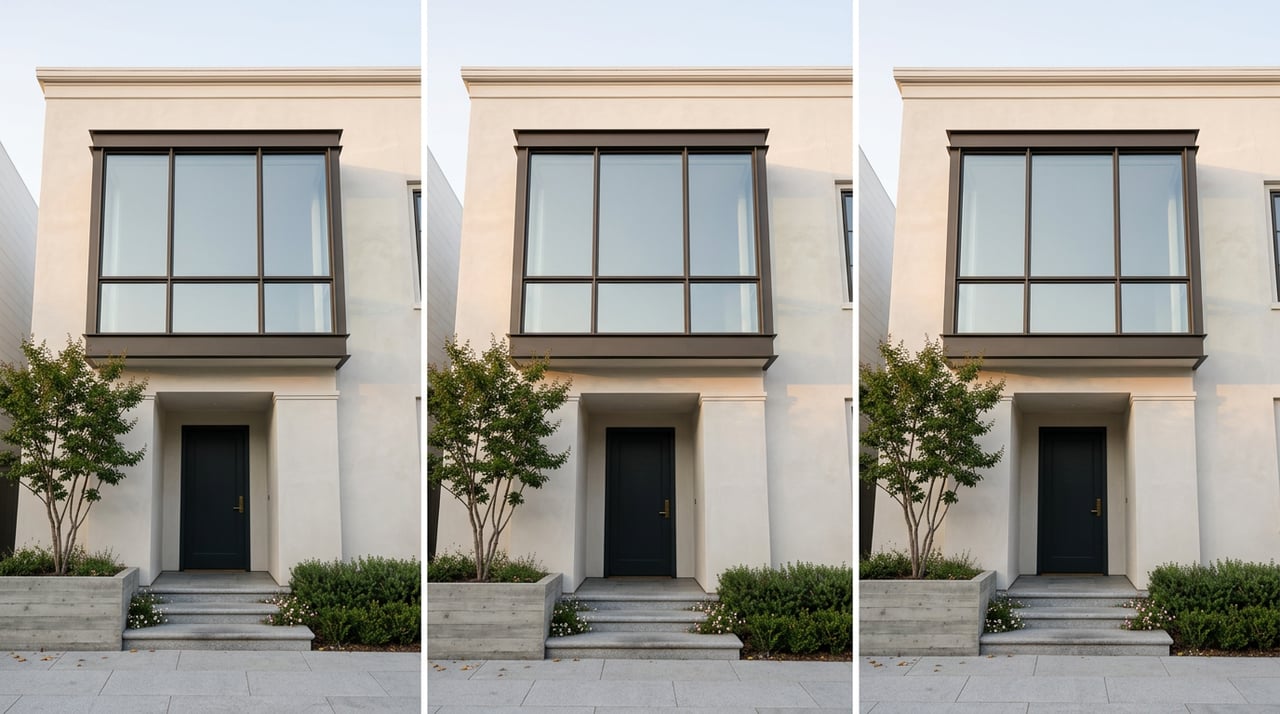
Thinking about trading your San Francisco condo or flat for a house in Mill Valley? It can be a smart lifestyle move, but it is not a simple swap. You may gain more space, easier access to trails, and a village-style downtown, while also taking on higher maintenance needs and a more car-dependent routine. If you are weighing that tradeoff, this guide will help you understand what really changes and how to decide if Mill Valley fits the way you want to live. Let’s dive in.
Mill Valley at a Glance
Mill Valley is a small Marin city about 14 miles north of San Francisco with roughly 14,000 residents, and it anchors a larger unincorporated Mill Valley area of more than 30,000. According to the City of Mill Valley, it is primarily a suburban community rather than an urban one.
That distinction matters if you are moving from San Francisco. In Mill Valley, the pace, layout, and housing stock feel different. Current city data also show a 66.2% owner-occupied rate, a median owner value above $2 million, and median rent of $3,278, which tells you quickly that this is a high-value market with a strong ownership base.
Housing Feels Different Here
More detached homes, fewer urban conveniences
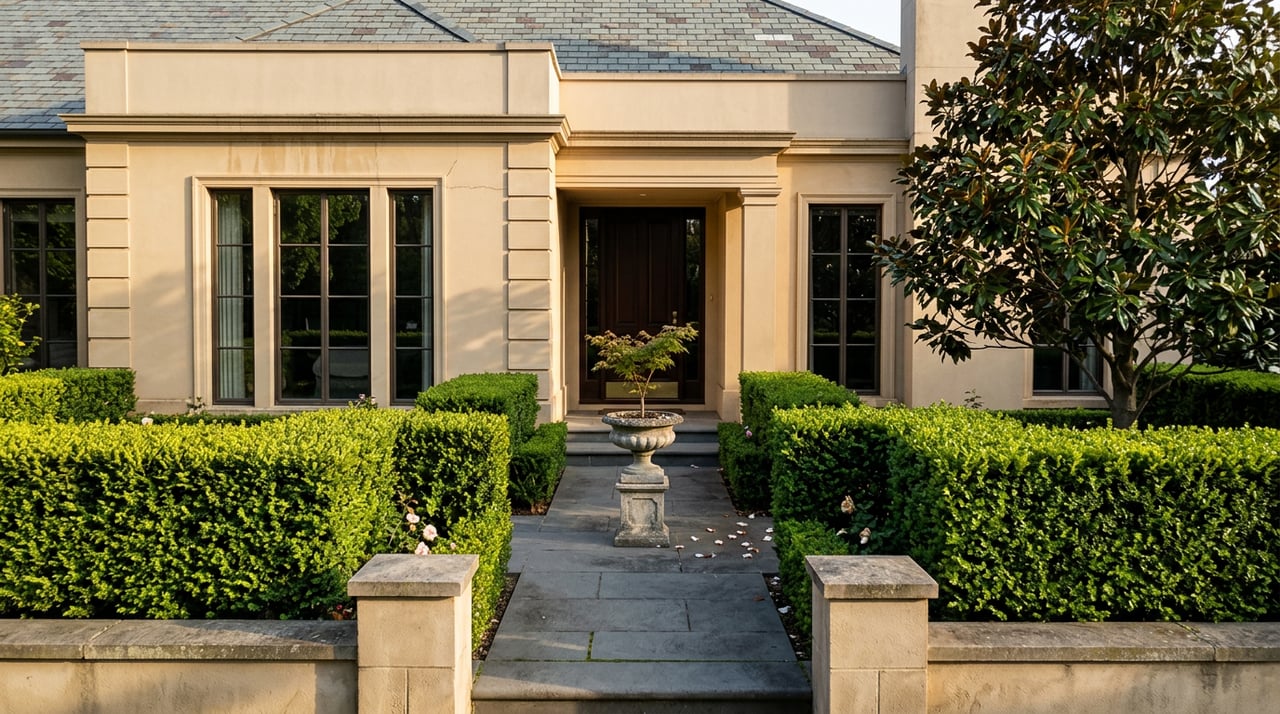
If you are coming from a city condo, TIC, or apartment, the biggest shift is the housing type. The city’s housing materials report that 75% of Mill Valley housing units are single-family homes, and more than half of the housing stock is at least 60 years old.
In practical terms, that usually means you are looking at a more detached, older-home market. You may get more interior space, outdoor space, and privacy, but you are also less likely to get the lock-and-leave simplicity that comes with many San Francisco condos.
Older homes come with character and upkeep
Mill Valley’s housing stock is not one-note. The city’s historic inventory includes Craftsman, Tudor, Colonial Revival, Spanish Colonial Revival, Art Deco, and other architectural styles, so the market often feels layered and specific rather than uniform.
That variety can be a major draw if you want a home with personality. But older homes often need a closer look at systems, drainage, roofs, foundations, and long-term maintenance planning before you buy.
Commute Planning Matters More
You will likely rely more on cars and regional transit
Mill Valley offers access to San Francisco, but the commute works differently than it does inside the city. Golden Gate Transit Route 114 currently connects Mill Valley, Tam Junction, Marin City, and San Francisco, including service to the Financial District.
That can be a strong option if you still commute into the city during the week. Still, the daily rhythm is more about coordinating with commute routes, park-and-ride patterns, or driving than simply stepping into a dense urban transit grid.
Ferry options can add flexibility
For some households, cross-bay transit matters just as much as a direct bus. Golden Gate Ferry service currently includes Larkspur-San Francisco and Sausalito routes, which gives North Bay commuters another option beyond driving.
This does not make Mill Valley feel car-free. It does mean you may have multiple ways to reach San Francisco depending on where you live, where you work, and how often you need to cross the bay.
Local commute data tells the story
The city’s housing trends materials show that Mill Valley households averaged 2.3 vehicles, 61% of commuters drove alone, 10% used public transit, and 46% of workers commuted outside Marin County. The same materials report that 52% of workers commuted at least 30 minutes, while current Census QuickFacts list a mean travel time to work of 24.8 minutes.
The takeaway is straightforward. If you move here, your commute plan usually needs to be more intentional than it would be in San Francisco.
Daily Life Is More Village Than Grid
Downtown is compact and functional
Mill Valley does have a real town center, but it is organized differently from San Francisco neighborhoods. The city describes downtown as a tight cluster of one- and two-story buildings around Lytton Square and Depot Plaza, and identifies it as the community’s primary shopping, civic, and cultural center.
Lower Miller Avenue serves as another full-service commercial area. So you are not giving up access to daily needs, but you are trading a dense urban grid for a smaller-scale commercial core.
Walkability exists, but it is hillside walkability
Mill Valley is known for its network of more than 175 original steps, lanes, and paths. These routes are part of the city’s identity and can make getting around on foot feel more connected than you might expect.
But there is an important caveat. Many of these routes are narrow and steep, so the walking experience is very different from flat, block-by-block San Francisco neighborhoods.
Outdoor access is a core lifestyle benefit
If you are moving for space and nature, this is where Mill Valley tends to make its strongest case. Mount Tamalpais State Park is in Mill Valley and includes 6,300 acres of redwood groves and oak woodlands.
The city’s planning documents also emphasize preserving ridgelines and hillsides for open space and recreation. If you know you will actually use trails, open space, and hillside surroundings regularly, that lifestyle value can be a big part of the move.
The Maintenance Tradeoff Is Real
Hillside homes need a different mindset
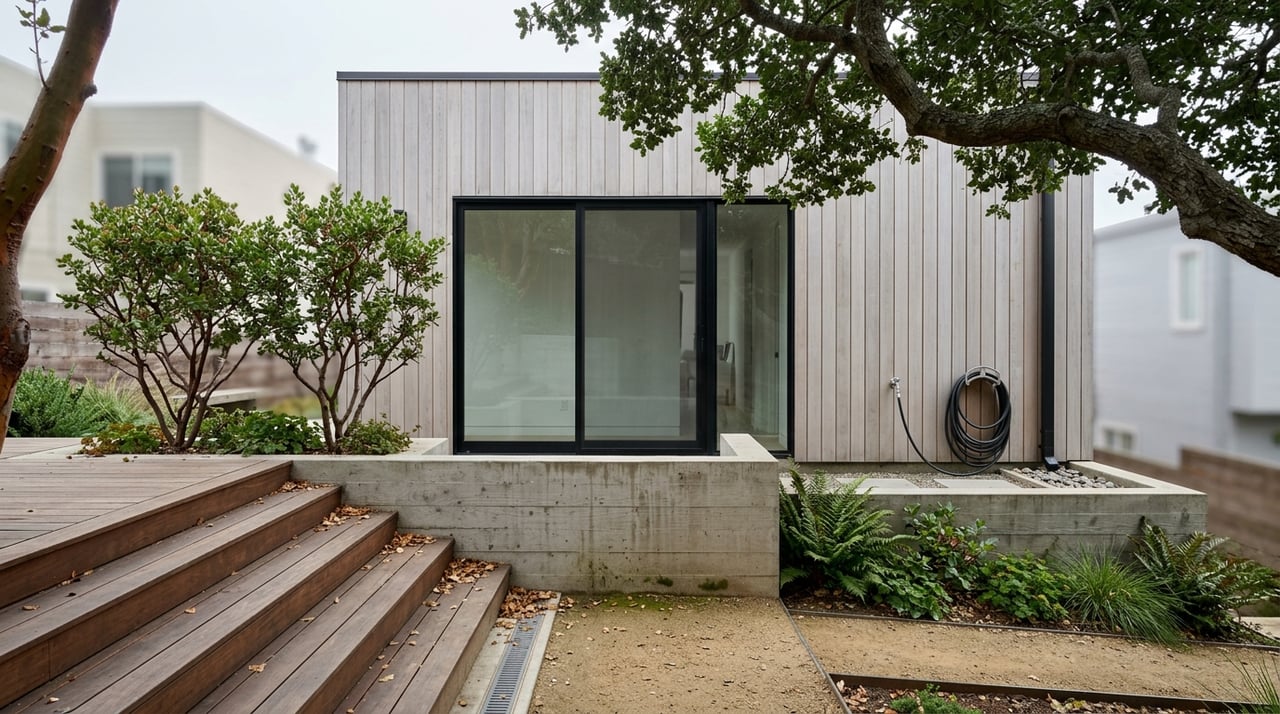
A move from a San Francisco condo to a Mill Valley house often changes your maintenance responsibilities more than buyers expect. The city’s single-family design guidelines focus on topography, drainage patterns, runoff reduction, and site design on sloped lots.
That is a clue to how important land, slope, and water management can be here. On many properties, routine ownership may involve more attention to gutters, drainage, retaining walls, and site conditions than you are used to in a city building.
Wildfire planning should be part of your due diligence
Mill Valley’s hillside setting also means wildfire readiness is part of homeownership planning. The same city design guidelines encourage defensible space, brush clearing, and fire-resistant planting, while the Marin Wildfire Prevention Authority notes local shaded fuel break work intended to help protect residential hillside communities in high fire danger zones.
The city’s evacuation guidance also warns that hillside areas can become congested or inaccessible quickly. That does not make Mill Valley the wrong fit, but it does mean you should evaluate each property with clear eyes and a practical risk-management mindset.
Slopes and drainage can affect ownership costs
Wildfire is not the only issue to watch. The city’s Hazards Element states that most of Mill Valley is susceptible to landslides because of steep slopes, and the city also has a Flood Control and Storm Drainage Master Plan.
For you as a buyer, this usually means property-specific due diligence matters. Roof condition, drainage performance, mature trees, slope stability, and retaining infrastructure can be important parts of the ownership equation.
When Mill Valley Makes Sense
For many San Francisco movers, Mill Valley is a strong fit when you want:
- More living space
- A detached-home lifestyle
- Access to trails and open space
- A smaller-scale downtown environment
- Continued, but more planned, access to San Francisco
It can be especially appealing if your day-to-day life no longer depends on city-level walkability at every hour. If your priorities have shifted toward space, privacy, and outdoor access, Mill Valley often lines up well.
When San Francisco May Still Fit Better
Mill Valley may be less ideal if you strongly prefer:
- Lock-and-leave condo convenience
- Flat-grid walkability
- Frequent spontaneous transit use
- Minimal exterior maintenance
- A highly urban daily rhythm
This is where honesty helps. If you love the idea of Mill Valley more than the actual ownership reality, the move can feel less seamless than expected.
Could Keeping a San Francisco Condo Make Sense?
In some cases, yes. If you need frequent San Francisco access and want flexibility, keeping a city condo while making Mill Valley your primary residence can be worth exploring.
That said, this is usually about convenience and optionality, not savings. With median owner value above $2 million and mortgage costs above $4,000 per month in current Census data, a split setup tends to make sense only for households that place a high value on dual-market access.
A Simple Decision Framework
If you are trying to make a clean decision, ask yourself these questions:
- Do you want a detached house lifestyle more than condo convenience?
- Are you comfortable relying on a car, commute bus, or ferry more often?
- Will you use the trails, paths, and Mount Tam access enough to matter?
- Are you prepared for older-home and hillside maintenance?
- If you keep a San Francisco property, does that support your lifestyle goals rather than complicate them?
If your answers are mostly yes, Mill Valley may be a very smart next move. If not, staying in San Francisco or choosing a different Marin location may be the better fit.
A move from San Francisco to Mill Valley is less about “upgrading” and more about choosing a different lifestyle. The right answer depends on how you balance space, commute patterns, maintenance, and daily routine. If you want help comparing a San Francisco property strategy with a Mill Valley move, Jeff Marples can help you evaluate both markets with clear, practical guidance.
FAQs
Is Mill Valley a good fit for San Francisco condo owners?
- Mill Valley can be a strong fit if you want more space, a detached-home lifestyle, and easier access to open space, but it is usually less convenient than condo living when it comes to maintenance and urban transit.
How do commuters get from Mill Valley to San Francisco?
- Current options include Golden Gate Transit Route 114 and regional ferry service through Golden Gate Ferry routes, along with driving.
What kind of homes are common in Mill Valley?
- Mill Valley is primarily a single-family home market, with city materials reporting that 75% of housing units are single-family and much of the housing stock is older.
What maintenance issues should Mill Valley homebuyers consider?
- Buyers should pay close attention to drainage, slope conditions, retaining walls, roofs, vegetation management, and property-specific site conditions because hillside ownership can involve more upkeep.
Is walkability in Mill Valley similar to San Francisco?
- Not usually. Mill Valley has a compact downtown and a network of steps, lanes, and paths, but many routes are steep and the overall layout is more village-style than urban-grid walkability.
Should you keep a San Francisco condo when moving to Mill Valley?
- Keeping a San Francisco condo can make sense if you still need frequent city access and want flexibility, but given Mill Valley’s high housing costs, it is typically a lifestyle decision rather than a cost-saving one.