If you have ever toured a beautiful Pacific Heights flat and assumed the ownership was straightforward, you are not alone. In this neighborhood, condos, co-ops, and TICs can look nearly identical from the street, even though the legal structure, financing path, and resale dynamics can be very different. Understanding those differences can help you avoid surprises, ask better questions, and choose the ownership type that best fits your goals. Let’s dive in.
Why ownership type matters
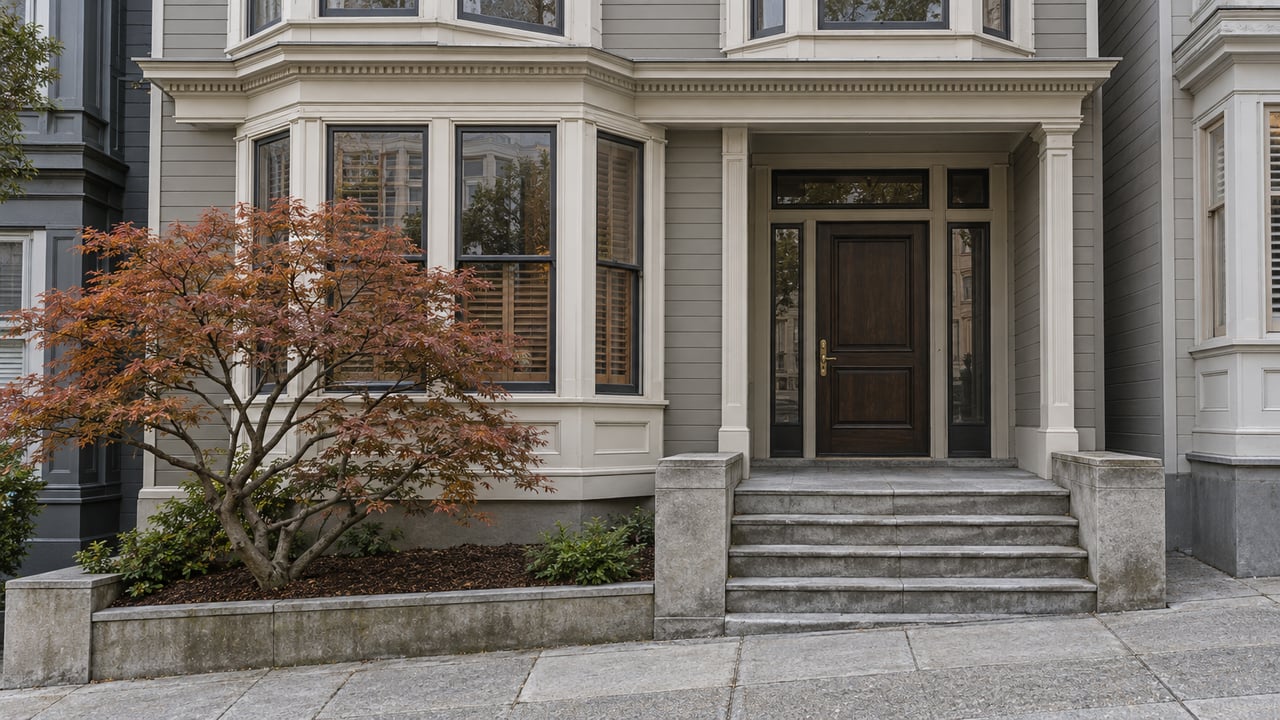
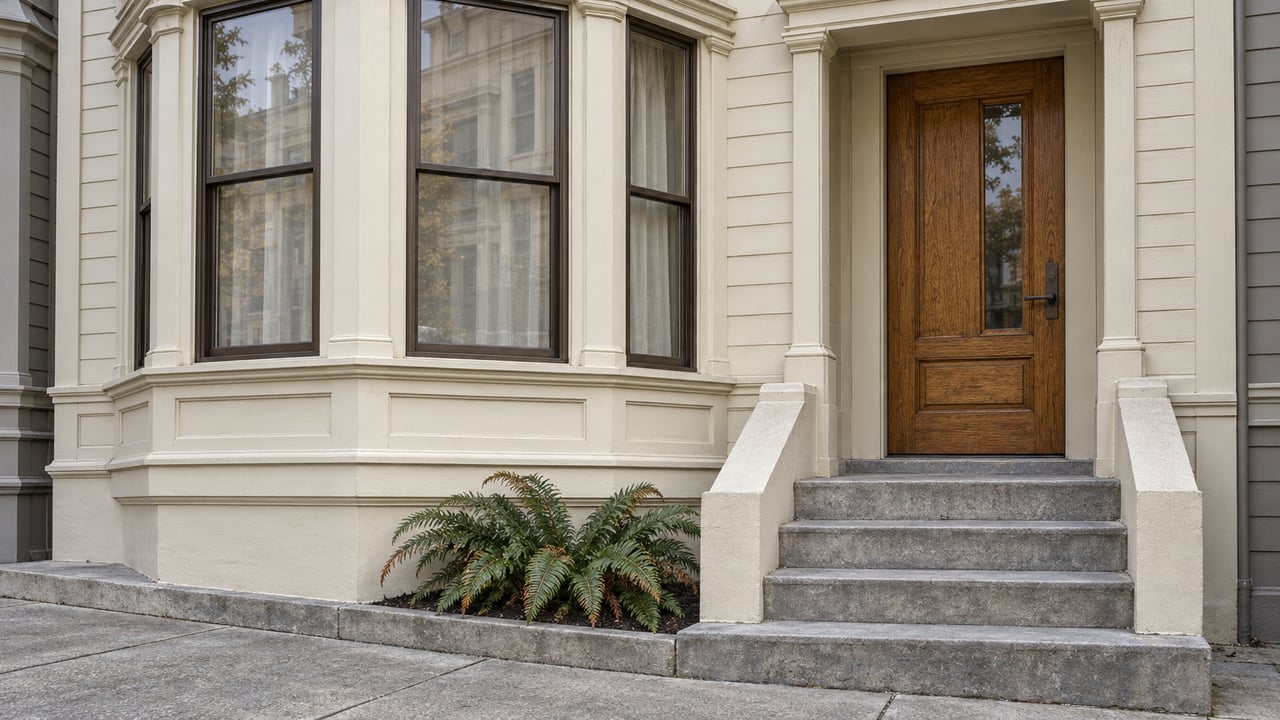
Pacific Heights is a strong example of why ownership structure matters. The neighborhood is known for historic architecture, and the California Department of Real Estate notes that apartments, condominiums, and stock cooperatives can appear physically identical even when their legal setup is not.
That matters because what you are really buying is not just the unit itself. You are also buying into a specific legal and financial framework that affects your loan options, monthly costs, decision-making rights, and future resale.
In San Francisco, that complexity is also shaped by the city’s condo conversion rules. According to San Francisco Planning, condo conversion is limited to apartment buildings with six units or fewer, requires 50 percent owner occupancy for three continuous years before the annual lottery, and is capped at 200 units per year. In a neighborhood like Pacific Heights, those limits help explain why attached homes may be condos, co-ops, or TICs instead of all following one standard model.
Condos explained
A condominium is usually the most familiar ownership type to buyers. In California, a condo means you own your unit individually in fee, and you also hold a shared interest in the common areas of the property, as described by the California Department of Real Estate.
In practical terms, condo ownership often feels the most direct. Fannie Mae’s condo buyer guidance and San Francisco planning materials describe condo owners as typically paying their own mortgage, property taxes, utilities, and HOA dues.
What condo buyers should know
Condos often have the broadest appeal because the ownership structure is familiar to buyers and lenders. That can make financing and resale more straightforward than with other ownership forms.
Still, not every condo is equally easy to finance. Fannie Mae notes that lenders look closely at building condition, insurance, reserves, deferred maintenance, special assessments, and any major structural concerns. If a building has unresolved issues, it can affect financing eligibility and buyer demand.
Best fit for condos
A condo may be a good fit if you want:
- A more standard mortgage path
- A deeded ownership structure
- A broader potential resale audience
- Shared building management through an HOA
If you are considering a Pacific Heights condo, it is smart to review reserve levels, ask about special assessments, and understand the remaining life of major building systems before you write an offer.
Co-ops explained
A stock cooperative, or co-op, works differently. Instead of owning a deeded unit, a corporation owns the property, and you buy shares in that corporation that give you the exclusive right to occupy a particular portion of the building, according to the California Department of Real Estate.
That means your ownership rights come from the corporation’s documents and bylaws rather than from a separate deed to your unit. In a co-op, board governance plays a much larger role in how the property operates.
How co-op financing differs
Co-op financing is usually more document-heavy than condo financing. Fannie Mae’s co-op eligibility guidance explains that the project must meet cooperative housing corporation standards, the corporation must hold title to the property, and the project must show sound finances, limited delinquency, and market acceptance.
That makes the building’s budget, financial statements, and governing documents especially important. For you as a buyer, that can mean more review upfront and a narrower lending pool than you might see with a condo.
Best fit for co-ops
A co-op may make sense if you are comfortable with:
- Board oversight and building governance
- A more selective approval and financing process
- Detailed review of budgets and governing documents
- A potentially smaller resale audience
In Pacific Heights, co-ops can appeal to buyers who understand the structure and value the opportunity to own in a distinctive building. But because the ownership format is less common, it is important to confirm lender options early.
TICs explained
A tenancy in common, or TIC, gives each owner an undivided interest in one parcel. A TIC agreement usually assigns each owner the exclusive use of a specific unit, as outlined by the California Department of Real Estate.
Unlike condos and co-ops, TIC formation does not require local agency approval or recordation in the same way. The DRE also notes that TICs often appear in higher-cost areas as an alternative ownership structure, which helps explain why they are part of the San Francisco market conversation.
How TIC taxes and financing work
TICs are often the most financing-sensitive of the three ownership types. The California Department of Real Estate says TIC interests can be difficult to finance, and San Francisco Planning notes that TIC loans are typically underwritten with higher interest rates and down payments than comparable condo loans.
Property taxes are also handled differently. The San Francisco Assessor’s TIC fact sheet explains that a TIC is one parcel for property tax purposes, and all co-owners remain responsible for the full tax bill, even if internal arrangements divide costs.
Best fit for TICs
A TIC may fit if you are:
- Comfortable with a more customized ownership structure
- Prepared for a narrower financing pool
- Willing to review a TIC agreement in detail
- Focused on accessing a desirable location or building type
In Pacific Heights, TICs can create access to smaller or older buildings that may not have condo-conversion economics. But they usually require more diligence and a clearer understanding of shared responsibilities.
Pacific Heights resale differences
When you think ahead to resale, ownership form matters almost as much as layout, condition, and location. Condos often have the broadest buyer pool because they are the easiest structure for many buyers and lenders to understand.
Co-ops usually appeal to a smaller audience because buyers need to be comfortable with board governance and the cooperative structure. Fannie Mae also emphasizes market acceptance, which means thin comparable sales can matter more.
TICs can be attractive to buyers who want a Pacific Heights address and understand the tradeoffs, but resale can be more buyer-specific because financing and administrative details are less standardized. In other words, the same elegant façade can mask very different resale paths.
Questions to ask before you offer
Before you get too far into a purchase, confirm the ownership structure first. In Pacific Heights, where buildings can look similar across legal forms, that first step can save time and reduce risk.
Here are the key questions to ask early:
- Is the recorded ownership structure a condo, co-op, or TIC?
- For a condo, are there reserve shortfalls, special assessments, insurance issues, or major repair needs?
- For a co-op, does the corporation hold title, and are the finances and governing documents in strong shape?
- For a TIC, how does the agreement allocate occupancy rights, repairs, refinancing, and taxes?
- For a TIC, do you understand that all co-owners may remain responsible for the full parcel tax bill?
These questions are not just technical details. They affect your financing options, your monthly obligations, and how easy the property may be to sell later.
A practical way to compare all three
If you want a simple framework, think about condos, co-ops, and TICs this way:
| Ownership type | What you own | Financing path | Resale audience |
|---|---|---|---|
| Condo | A deeded unit plus shared common interest | Usually the most standard | Usually the broadest |
| Co-op | Shares in a corporation with occupancy rights | More document-driven | Usually smaller |
| TIC | Undivided interest in one parcel with exclusive-use agreement | Often the most specialized | More buyer-specific |
No one structure is automatically better than another. The right fit depends on your priorities, your financing profile, and your comfort with complexity.
The bottom line for Pacific Heights buyers
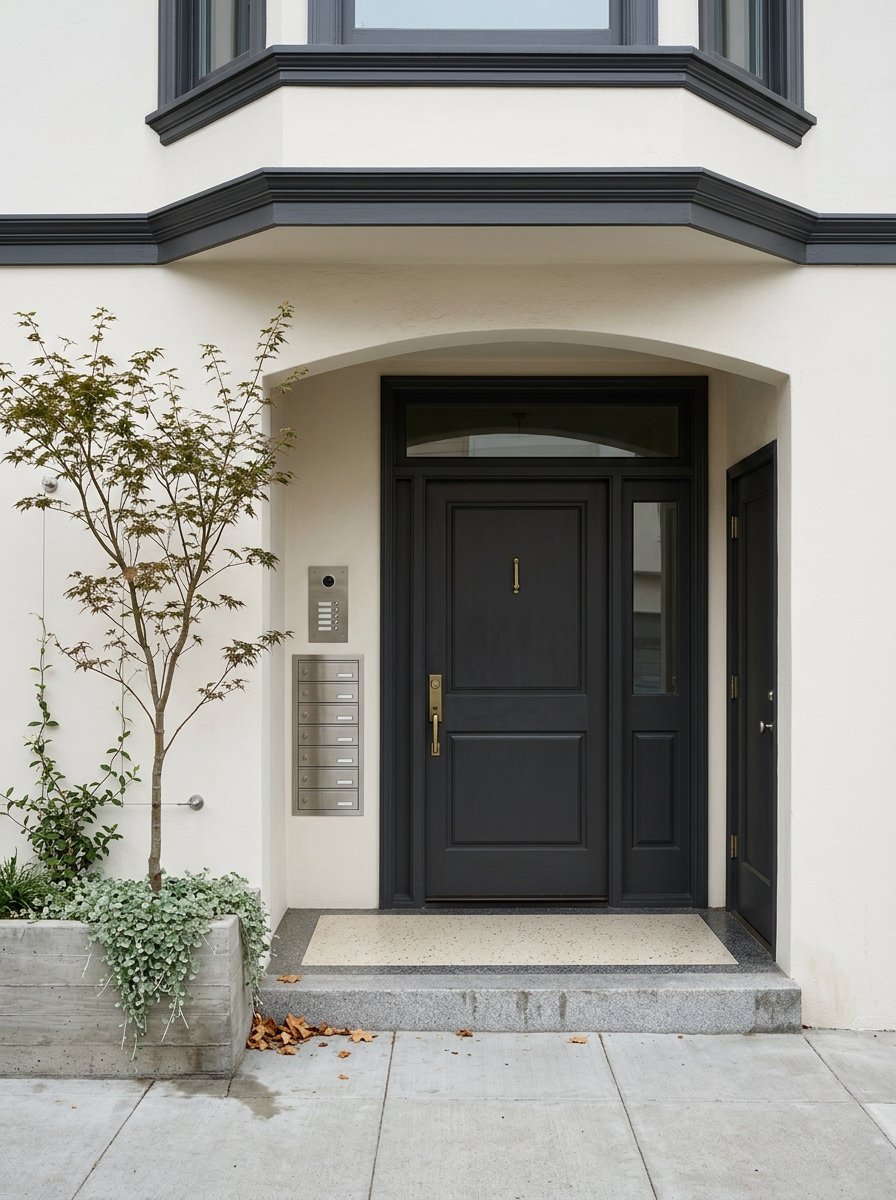
In Pacific Heights, you cannot judge ownership type by architecture alone. A classic building may house condos, a co-op, or a TIC, and each one comes with a different legal and financial reality.
If you are buying in this neighborhood, the best approach is to match the ownership structure to your goals from the start. That means understanding how title works, how financing may differ, and what questions to raise before you commit. If you want clear guidance on Pacific Heights condos, co-ops, or TICs, Jeff Marples can help you evaluate the tradeoffs and navigate the process with confidence.
FAQs
What is the difference between a condo and a co-op in Pacific Heights?
- A condo gives you deeded ownership of your unit plus a shared interest in common areas, while a co-op means a corporation owns the building and you own shares that give you occupancy rights.
What is a TIC property in Pacific Heights?
- A TIC, or tenancy in common, means each owner holds an undivided interest in one parcel, with a TIC agreement typically assigning exclusive use of a specific unit.
Are TICs harder to finance in San Francisco?
- Yes. The research provided says TICs are usually more financing-sensitive, often with higher interest rates and down payment requirements than comparable condo loans.
Why are there so many different ownership types in Pacific Heights?
- Pacific Heights has many older attached buildings, and San Francisco’s condo conversion rules are limited, which helps explain why buyers may encounter condos, co-ops, and TICs in the same neighborhood.
What should you review before buying a Pacific Heights condo?
- You should review the HOA budget, reserve levels, any special assessments, insurance coverage, and whether the building has major repair or deferred maintenance issues.
How are property taxes handled for a San Francisco TIC?
- A San Francisco TIC is taxed as one parcel, and all co-owners are responsible for the full tax bill even if internal agreements divide costs among owners.