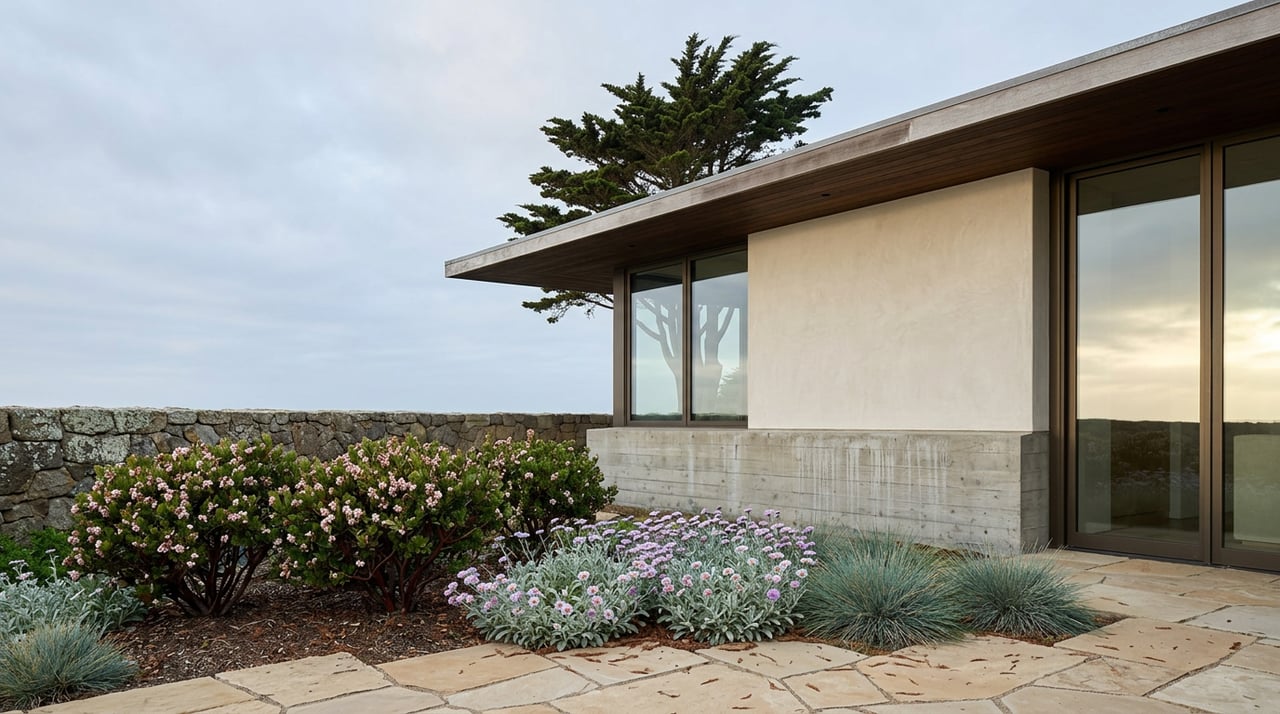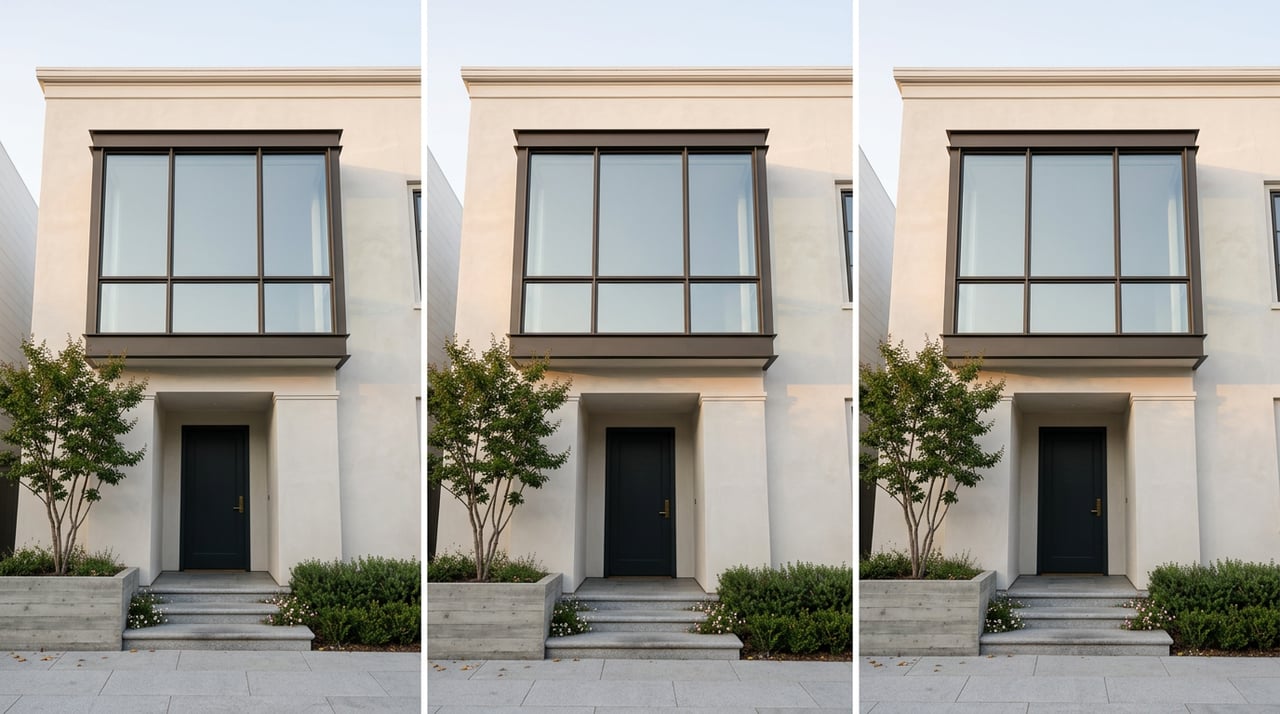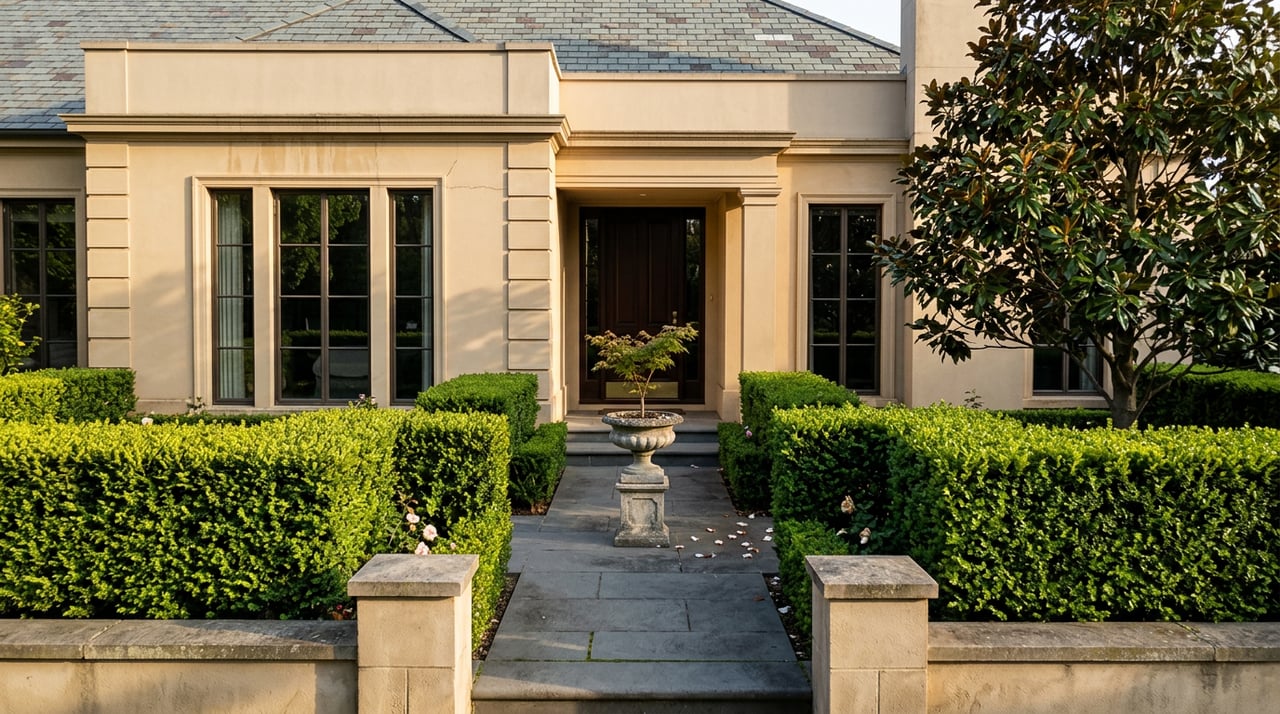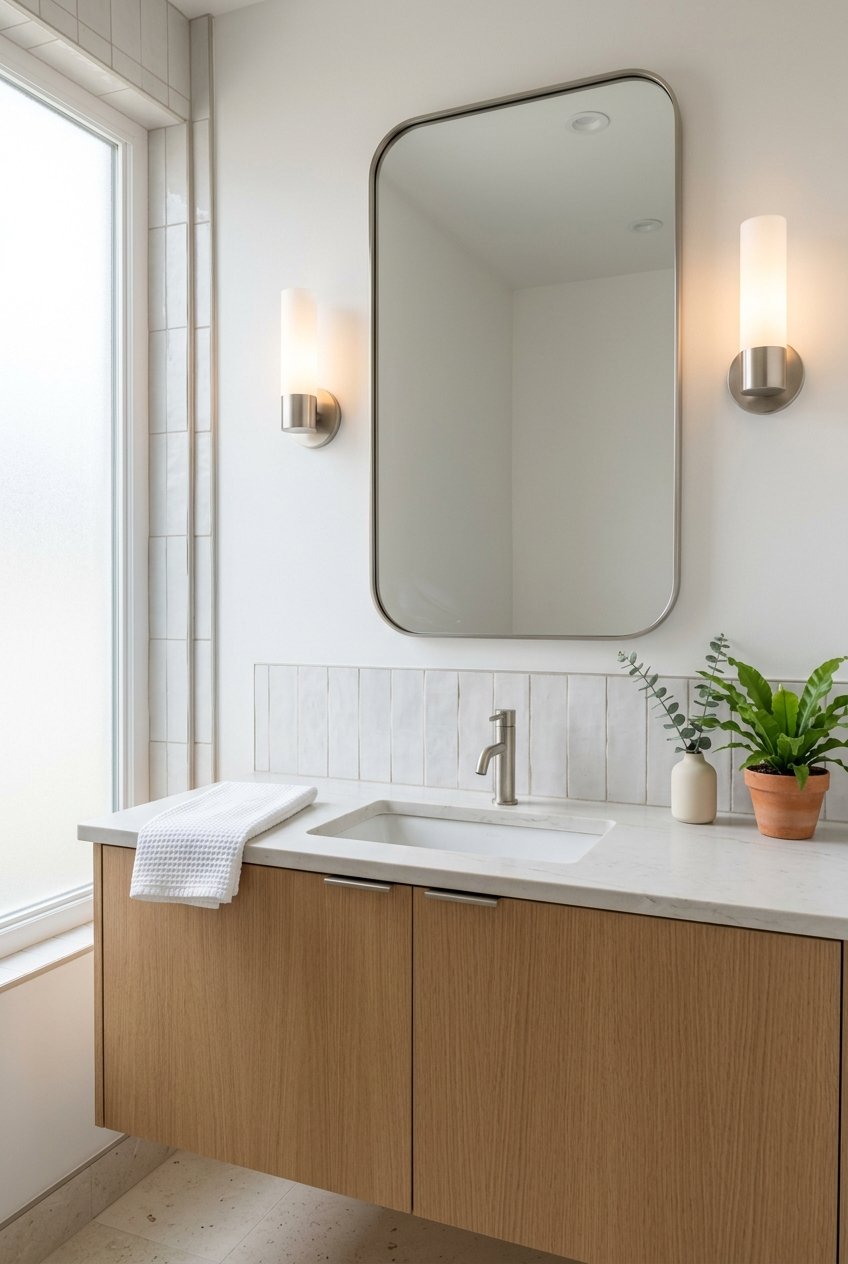
Thinking about selling your Cow Hollow home but not sure where to invest before you list? In a neighborhood where the median sale price recently hovered around about $3,075,000, even small improvements can shift buyer perception and real dollars. You want results without months of construction or permit headaches, and you want to protect your timeline. This guide shows you the smartest pre‑sale upgrades in Cow Hollow, what to skip, how to navigate San Francisco rules, and a simple workflow to get it done. Let’s dive in.
Why small upgrades win in Cow Hollow
Cow Hollow’s housing stock spans elegant Victorian, Edwardian, and early 20th‑century buildings alongside remodeled single‑family homes and condos. Many buyers here prize period character paired with a clean, move‑in‑ready interior. That is why targeted cosmetic updates often outperform full gut renovations on percent return.
Industry research repeatedly ranks curb appeal projects, minor kitchen work, and neutral interior refreshes among the best performers. The annual Cost vs. Value analysis highlights garage door and steel front‑door replacements as top ROI projects, especially in the Pacific region where percent recoup often leads the pack source: Cost vs. Value trends. The National Association of REALTORS® also places kitchen and bath updates, interior paint, and staging high on an agent’s recommendation list for sellers source: NAR Remodeling Impact Report.
One local caveat matters. Exterior or massing changes in Cow Hollow can trigger Planning review, where the Cow Hollow Neighborhood Design Guidelines help shape decisions. If you are considering visible changes, consult those guidelines and plan extra lead time see the Cow Hollow Neighborhood Design Guidelines reference.
High‑ROI projects to prioritize
1) Curb and entry refresh
First impressions drive showings and offer strength. Focus on the garage door, front door, exterior paint, lighting, and simple landscaping. Cost vs. Value research shows garage door and steel front‑door replacements among the highest percent recoup projects regionally source.
- Practical actions: replace or repaint the front door, upgrade hardware and house numbers, clean or replace the garage door if dented or noisy, power‑wash, and repaint trim. Add sleek, efficient entry lighting and minimal, low‑maintenance plants.
- Before/after example: Before, faded paint and a creaky garage door. After, crisp paint, modern sconces, and a quiet, paneled garage door that fits the architecture.
- Likely cost band: Small to medium budget, depending on door choices.
- Permitting note: In‑kind replacements are often straightforward, but changes to openings or historic fabric can require review. Check permit needs in advance and reference the neighborhood design guidance here.
2) Minor kitchen refresh
Buyers look hard at kitchens, but a midrange refresh usually returns better than a luxury gut job. NAR highlights kitchen upgrades as a top project recommended by agents, with strong buyer appeal and favorable cost recovery compared to upscale overhauls source.
- Practical actions: repaint or reface cabinets, swap dated hardware, install quartz counters, update backsplash, add LED under‑cabinet lighting, and replace worn appliances with efficient stainless models.
- Before/after example: Before, oak cabinets and busy tile. After, painted cabinets, streamlined pulls, light quartz, and a clean backsplash that photographs beautifully.
- Likely cost band: Medium budget for most Cow Hollow kitchens.
- Permitting note: Cosmetic work is typically lighter touch. Changes to layout, gas lines, or ventilation can add complexity and permits. Get clear scopes and timelines from a licensed contractor before you commit.
3) Primary bathroom refresh
As with kitchens, a modernized primary bath signals overall condition. NAR ranks bathroom renovations high among agent‑recommended projects that influence buyers source.
- Practical actions: new vanity and mirror, neutral tile or re‑grout, updated fixtures, fresh lighting, and a clean shower enclosure.
- Before/after example: Before, dated vanity and dim lighting. After, floating vanity, matte fixtures, and bright LED layers that make the room feel new.
- Likely cost band: Medium budget; larger scopes push into the large tier.
- Cost guidance: To plan bathroom scopes and finishes, consult local pricing context such as this Bay Area cost overview here.
4) Paint, lighting, and flooring
A whole‑house neutral paint job, layered LED lighting, and repaired or refinished flooring are quick wins with outsized visual impact. These steps help listing photos pop and make the home feel well cared for. REALTORS® often recommend these items because they influence buyer emotion and reduce perceived work after closing source: NAR Remodeling Impact Report.
- Practical actions: paint in a light, neutral palette, update dated chandeliers and flush mounts, refinish hardwoods or replace damaged sections, and declutter or stage.
- Before/after example: Before, scuffed walls and orange‑hued floors. After, crisp white walls, warm LED lighting, and refinished oak that reads fresh and bright.
- Likely cost band: Small to medium budget depending on square footage.
5) Small, usable outdoor space
In San Francisco, well‑designed outdoor living adds meaningful appeal. Modest rear decks or tidy patios can help, while large rooftop features vary widely in ROI and can face lengthy reviews. Cost vs. Value includes deck projects, though performance depends on privacy, views, and micro‑climate source.
- Practical actions: clean, repair, or restain existing decking, add planters and durable seating, or install a small paver patio if space allows.
- Before/after example: Before, cluttered yard with uneven surfaces. After, compact seating area with simple planters and café lighting.
- Likely cost band: Small to medium for minor improvements; larger if you build new structures.
- Permitting note: Roof decks and any structural additions may require Planning review and neighbor notice. Expect longer timelines and possible design revisions in Cow Hollow.
6) Systems and risk items
Major deferred maintenance can scare buyers and suppress offers. Roof condition, electrical capacity, plumbing, and heating or cooling matter. NAR notes that energy‑efficiency and system upgrades factor into many remodel decisions and buyer willingness to pay source.
- Practical actions: if a roof is at end of life, replace it; service or replace outdated HVAC; address obvious plumbing or panel issues; repair windows that do not function.
- Before/after example: Before, inspection flags an aging roof and undersized panel. After, new roof and right‑sized electrical reduce buyer anxiety and renegotiation risk.
- Likely cost band: Medium to large depending on scope.
- Seismic note: If a multi‑unit building is subject to San Francisco’s Mandatory Soft‑Story Retrofit program, status is a material disclosure and can affect timelines and buyer demand. Confirm compliance details early SF soft‑story program overview.
What to skip or rethink before listing
- Pools: In the Bay Area, pools often carry low resale recoup and add maintenance. Unless your micro‑market expects them, they rarely pay off for a near‑term sale regional ROI perspective.
- Over‑custom luxury upgrades: Upscale, highly bespoke kitchens or baths usually return a lower percentage than solid midrange scopes, even if the absolute spend is high. Cost vs. Value and NAR data point to better percent recoup with restrained, broadly appealing finishes source.
- Big additions or vertical expansions: In Cow Hollow, massing changes commonly invite discretionary review and neighbor appeals. Timelines stretch, and resale payback is unpredictable. Consult the neighborhood guidelines early reference.
Budget tiers: a practical checklist
Use these tiers as planning guides, then refine with a local CMA before you spend.
Small budget, about $5k to $15k:
- Paint front door and trim, update hardware and entry lighting.
- Spot exterior paint and power‑wash; add simple, drought‑friendly plants.
- Deep clean, declutter, stage key rooms, and schedule professional photos.
- Expected outcome: stronger first impressions, faster showings, better initial offers supporting agent guidance.
- Example before/after cost band: curb and entry refresh, small tier.
Medium budget, about $15k to $75k:
- Minor kitchen refresh (cabinet paint or refacing, quartz counters, appliance swap).
- Primary bath refresh (vanity, lighting, neutral tile, new fixtures).
- Refinish floors, replace dated lights, install a new front or garage door.
- Targeted systems work like a new water heater or partial electrical updates.
- Expected outcome: interiors align with updated comps, strong percent recoup for midrange scopes regional ROI trends.
- Example before/after cost band: kitchen refresh, medium tier.
Larger budget, above $75k:
- Full kitchen remodel or primary suite overhaul if comps justify it.
- Permitted deck or roof work, major systems upgrades, or seismic retrofits.
- ADU pre‑construction if you plan a longer hold rather than a quick sale.
- Expected outcome: potential absolute price lift with more variable percent recoup and longer timelines context.
- Example before/after cost band: permitted deck or major systems, large tier.
Cow Hollow rules: permits and timing
San Francisco’s review processes can shape your plan and schedule, especially for visible exterior work or structural changes.
- Neighborhood design guidance: Many Cow Hollow exterior changes are evaluated with the Cow Hollow Neighborhood Design Guidelines in mind. Review precedent and the guideline reference, and plan community outreach if your scope is visible guidelines reference.
- Seismic programs: If your building is subject to a soft‑story retrofit notice, compliance status matters for disclosures and buyer confidence. Confirm where you stand early soft‑story overview.
- ADUs: Accessory Dwelling Units can add value, but they require permits and time. They are rarely a quick pre‑sale win. If you plan one, think multi‑year, not quarter‑to‑quarter SF Planning ADU guidance.
A simple pre‑sale workflow
Follow a proven sequence to protect time and money.
- Agent consultation and CMA: Align on buyer profile and target price band. Identify the biggest gaps versus recent Cow Hollow comps so your budget addresses what buyers notice first.
- Optional pre‑listing inspection: Surface any deal‑killers early, like a failing roof or obvious electrical issues, so you can repair or price and disclose accordingly NAR remodeling motivations.
- Get bids and confirm permits: Secure line‑item quotes from 2 to 3 licensed contractors. Ask about permit scope and timelines, especially for decks, mechanicals, and any exterior changes SF Planning ADU and process context.
- Do fast wins first: Paint, curb appeal, lighting, and targeted kitchen or bath updates should be sequenced to finish before photography ROI support.
- Stage and photograph: In this price band, buyers expect polished presentation. Neutral finishes and thoughtful staging that respect period character can lift perceived value NAR presentation insights.
- Disclose accurately: Document any open permits, soft‑story status, or recent system work. Clear disclosures protect your leverage and limit renegotiation risk soft‑story program.
A smart, targeted plan will help you capture Cow Hollow’s market upside while avoiding slow, permit‑heavy detours. If you want a tailored, room‑by‑room plan and vendor introductions that match your timeline, reach out to Jeff Marples to get started.
FAQs
Will a full kitchen gut pay off in Cow Hollow?
- Often not as reliably as a targeted midrange refresh, which tends to recoup a higher percentage than upscale overhauls, so justify a full gut only if neighborhood comps support it Cost vs. Value trends.
Should I add an ADU before selling my Cow Hollow property?
- ADUs can add value, but San Francisco permitting makes them a long‑lead project, so they are better planned for multi‑year timelines rather than a pre‑listing lift SF Planning ADU guidance.
Do I need permits to change my front door or windows in Cow Hollow?
- In‑kind replacements can be simpler, but altering openings, heights, or historic fabric may trigger Planning or DBI review, so confirm permit scope with your contractor and review the neighborhood design guidelines reference.
Is a seismic retrofit worth it before listing in San Francisco?
- If your multi‑unit building is subject to the Mandatory Soft‑Story Retrofit program, compliance is material; voluntary seismic upgrades can reduce buyer anxiety, but payback varies by buyer profile and timing program overview.