Trying to choose between a condo and a house in Noe Valley? You are not alone. With tight inventory and premium prices, every decision carries weight — from monthly costs and financing to outdoor space and building rules. In this guide, you will see how each option stacks up on cost, lifestyle, and risk, plus a checklist you can use before you write an offer. Let’s dive in.
Noe Valley market at a glance
Noe Valley is one of San Francisco’s premium neighborhoods with limited supply and fast-moving listings. Recent vendor snapshots show different medians based on method. Closed-sale medians trend around the low to mid $2 millions, while index-based valuations track a bit lower and active-listing medians often sit in the high $1 millions. Detached houses commonly trade from the low $2 millions to $4 million and above depending on size and renovation. Treat each vendor’s number as directional rather than absolute since they track different data sets.
Condo vs house: key tradeoffs
Price and entry cost
- Condos usually give you a lower entry point. In Noe Valley, many condos and townhomes list and sell between roughly $1.0 million and $2.0 million depending on size, parking, and outlooks.
- Single-family houses often start in the low $2 millions and climb quickly with upgrades, yard size, and views. If you need more bedrooms or true private outdoor space, expect to budget in the $2–4 million range or higher.
Monthly costs and maintenance
- HOA dues for San Francisco condos vary widely, often about $400 to $1,200 per month based on building age, services, and amenities. Higher dues reduce loan capacity, so include them in your pre-approval conversations.
- For houses, you cover exterior upkeep, roofing, systems, and landscaping yourself. A common planning rule is 1 to 2 percent of home value per year for older homes, though actual costs vary.
- Condos split big capital projects through the HOA, which is why reserves and upcoming work matter. California’s Davis–Stirling Act requires associations to prepare and disclose reserve studies on a regular cycle, which helps explain past and future assessments. You can review the state’s reserve-study framework in this overview of California reserve study requirements.
Insurance differences
- Condo owners typically carry an HO-6 policy for interiors, contents, liability, and potential loss-assessment coverage. The HOA maintains a master policy for exteriors and common areas. See this plain-language summary of what condo insurance usually covers versus the HOA master policy for context.
- House owners carry broader policies that cover the structure and land improvements. Earthquake or flood coverage often requires separate policies in San Francisco. Always confirm what the HOA’s master policy includes, then tailor your unit policy to fill gaps.
Outdoor space and parking
- Many Noe Valley houses offer private yards and multi-level layouts that increase usable outdoor space. This can be ideal if you want a garden, play area, or more privacy.
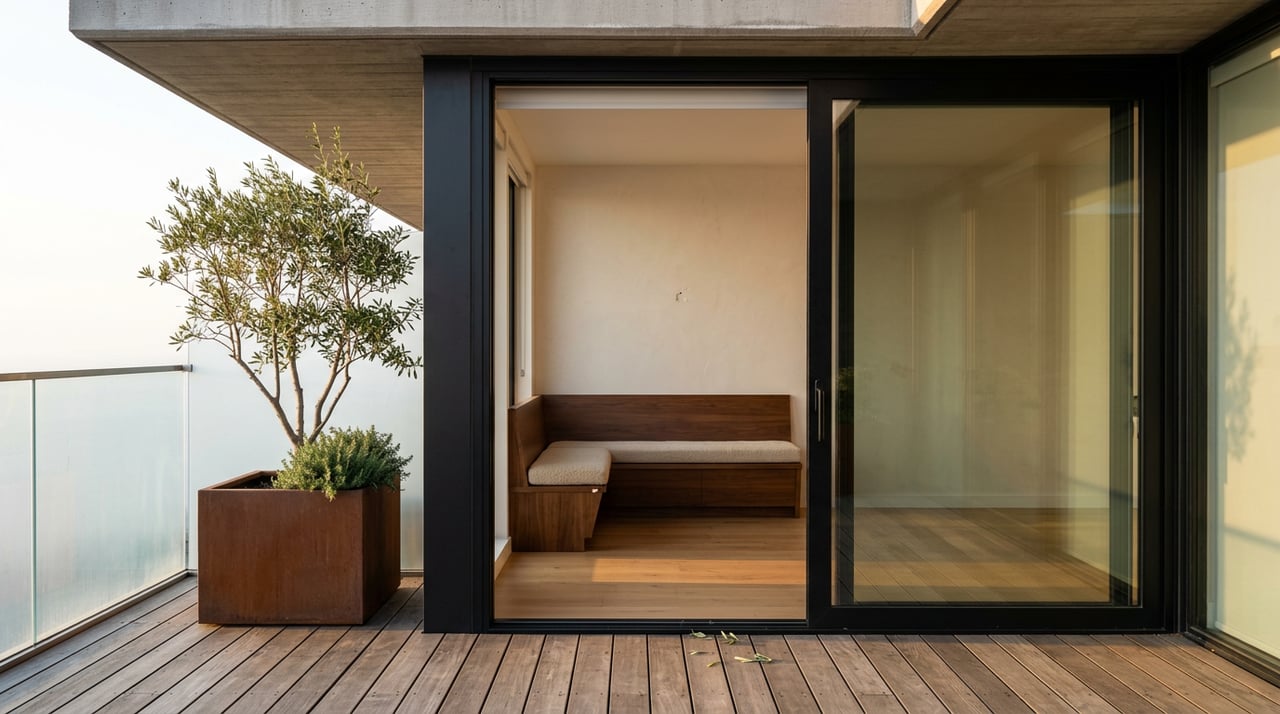
- Condos can deliver deeded patios or shared roof decks, which work well for low-maintenance living. Deeded parking varies by building, so verify whether the space is exclusive-use and how access works.
Renovation and expansion potential
- Single-family parcels generally offer more flexibility for additions or future reconfigurations. If you want to add an Accessory Dwelling Unit, study timelines, permits, and site limits in the city’s ADU program guidance from the San Francisco Department of Building Inspection.
- Interior condo alterations depend on HOA rules and building systems. Large changes and any exterior work usually require association approval.
Financing and resale liquidity
- Lenders underwrite the whole condo project, not just your unit. Projects with litigation, weak reserves, high rental percentages, or substantial commercial space can be non-warrantable, which limits conventional loan options. Read Fannie Mae’s condo project eligibility overview to understand lender reviews and approval paths.
- Single-family houses usually follow standard mortgage underwriting and often attract a broad buyer pool. Liquidity in Noe Valley is still price-band dependent. Well-priced properties can move quickly, but higher price points can face a thinner buyer set.
Rules and risks to factor
Short-term rentals in San Francisco
San Francisco’s short-term rental rules restrict STRs to registered permanent residents and set day-count and reporting limits. If you are planning any short-term rental activity, confirm the unit’s registration and review the city’s requirements in the Administrative Code, Chapter 41A on short-term rentals.
HOA reserves, assessments, and new state laws
California requires HOAs to conduct and disclose reserve studies on a statutory schedule. These documents help you assess the risk of near-term special assessments. Recent state laws add more to watch:
- SB-326 created mandatory inspection programs for exterior elevated elements such as decks and balconies. See this SB-326 overview for timing and scope.
- SB-900 (2024) refined HOA responsibilities related to repairs and emergency actions, which can affect how associations address building issues and fund them. You can review the enacted SB-900 text for specifics.
Together, reserve funding, inspection findings, and compliance timelines drive HOA budgets and potential assessments.
Soft-story and building safety
Many older multi-unit wood-frame buildings in San Francisco have been subject to the city’s Mandatory Soft-Story Retrofit Program. Status varies by property. If you are evaluating a condo in an older building, check whether retrofit work has been completed on the building profile maintained by the city’s soft-story program.
Transfer taxes and closing costs
San Francisco uses a tiered municipal transfer tax schedule that is higher than the standard county documentary tax at many price points. Buyers and sellers should include transfer tax in closing estimates and confirm the exact bracket on the city’s official fee and transfer tax schedule.
Who each home fits
- If you want a lower price of entry and minimal exterior upkeep, focus on condos and townhomes. Confirm dues, reserves, and any planned capital projects before you make an offer.
- If you value private outdoor space, flexible layouts, and potential to expand over time, a single-family house usually fits best.
- If you prioritize elevator access or single-level living, a newer condo can be a strong match. Ask about noise, building services, and HOA governance.
- If you aim to add value through remodels or by adding an ADU over time, a house on an appropriate lot tends to offer more options. Check planning, permit history, and feasibility with the city.
- If rental income is part of your plan, study both HOA rules and city codes. California Civil Code provisions such as AB-3182 limit some rental prohibitions by HOAs, while San Francisco’s short-term rental rules restrict STRs to registered primary residences. See this AB-3182 explainer for context and then confirm details with the HOA and the city.
Nearby SFUSD schools, including options like Alvarado Elementary, are a draw for many buyers who want to live close to 24th Street amenities. Keep school preferences neutral in your criteria and verify current assignment policies with the district.
Quick decision framework
- Choose a condo if you want lower upfront costs, easier maintenance, and walkable access to 24th Street shops. Verify dues, reserves, warrantability, and insurance.
- Choose a house if you need more bedrooms, private outdoor space, and room to customize over time. Budget for ongoing maintenance and capital projects.
- If you are on the fence, model both scenarios with realistic monthly costs. Include HOA dues, insurance gaps such as earthquake coverage, and a maintenance reserve.
Buyer checklist for Noe Valley
Use this list to compare a specific condo and house side by side.
Recent comparable sales. Focus on the same product type and micro-location over the past 3 to 6 months.
Full HOA package for condos. Review CC&Rs, bylaws, meeting minutes, budget, reserve study, insurance declarations, litigation, and rental policy. California’s reserve study rules explain why funding levels matter.
Special assessments and capital projects. Ask about SB-326 balcony or deck inspections, envelope work, and any planned soft-story upgrades. This SB-326 summary outlines what must be inspected.
Condo warrantability. Request the condo questionnaire and ask about agency approvals. Read Fannie Mae’s condo project eligibility guidance to see red flags lenders watch for.
Insurance coverage. Clarify what the HOA master policy covers and what your HO-6 needs to add. This guide to condo insurance versus HOA master coverage is a helpful primer.
Short-term rental and owner-occupancy rules. Confirm HOA restrictions and city requirements in San Francisco’s short-term rental code before you rely on any STR income.
Building safety and retrofit status. For multi-unit buildings, check the city’s soft-story program records and ask for documentation on seismic, envelope, and systems work.
Outdoor space usability. Compare sun exposure, privacy, and real usable square footage for any yard, deck, or patio.
Parking and access. Verify whether parking is deeded, assigned, or leased. Confirm garage clearance and any EV-charging constraints.
Closing costs and transfer tax. Use the city’s official fee and transfer tax schedule to estimate your bracket at the price you are targeting.
When you are ready to compare properties, bring this checklist to showings and line items up with your lender and inspector. The earlier you surface HOA, insurance, or permit issues, the more leverage you have to price risk into your offer.
If you want a clear, data-backed path to the right home in Noe Valley, reach out for a one-on-one strategy session. You will get tailored comps, a side-by-side monthly cost model, and a plan to win in this market. Request a personalized market consultation with Jeff Marples.
FAQs
What is the typical HOA fee for a Noe Valley condo?
- Dues often range about $400 to $1,200 per month in San Francisco, depending on building age, services, and amenities. Always confirm the exact amount and what it covers.
How do San Francisco short-term rental rules affect a condo purchase?
- STRs are restricted to registered primary residences with day-count, insurance, and reporting requirements. Review the city’s rules in the Administrative Code, Chapter 41A on short-term rentals before relying on STR income.
What is condo warrantability and why does it matter?
- Lenders review the entire condo project for reserves, litigation, rental mix, and other risks. Non-warrantable projects can limit loan options or raise down payment needs. See Fannie Mae’s condo project eligibility guidance for how lenders decide.
Can I add an ADU to a Noe Valley property?
- Many single-family lots can support ADUs subject to planning and DBI permits. Timelines and approvals vary by site, so start with the city’s ADU program guidance and then confirm feasibility for your parcel.
How do HOA reserves and inspections affect my costs as a condo owner?
- Reserve funding, required SB-326 inspections for decks and balconies, and any planned repairs can lead to higher dues or special assessments. Ask for the reserve study, inspection reports, and meeting minutes to gauge upcoming costs.
What should I know about San Francisco transfer taxes?
- The city uses a tiered schedule based on sale price. Buyers and sellers should include the correct bracket when estimating closing costs. Check the official fee and transfer tax schedule for current rates.