Salt air is beautiful to look at and tough on your home. If you live in Sea Cliff, you know how fog, wind, and salt spray can turn a fresh finish dull and push hardware and seals to fail faster than they should. The good news is that a simple routine can protect your investment and keep your property market‑ready year round. In this guide, you will find practical steps, a seasonal checklist, and smart questions to ask vendors so you can stay in front of salt damage. Let’s dive in.
Why Sea Cliff homes need coastal care
Sea Cliff sits right on the Pacific, where wind, fog, and salt spray are common. Salt is hygroscopic, so it keeps surfaces damp longer, which speeds up corrosion and biological growth. Repeated wet and dry cycles from fog and wind-driven mist are harder on joints, finishes, and seals than steady moisture. Wind can also carry debris that abrades paint and exposes the surface underneath.
Before you plan any big repairs or upgrades, check San Francisco permit requirements for roofing, window replacements, or structural changes. Some properties may also need design or historic review. Follow local rules for stormwater and runoff if you pressure wash or use cleaning agents.
Protect exterior metals
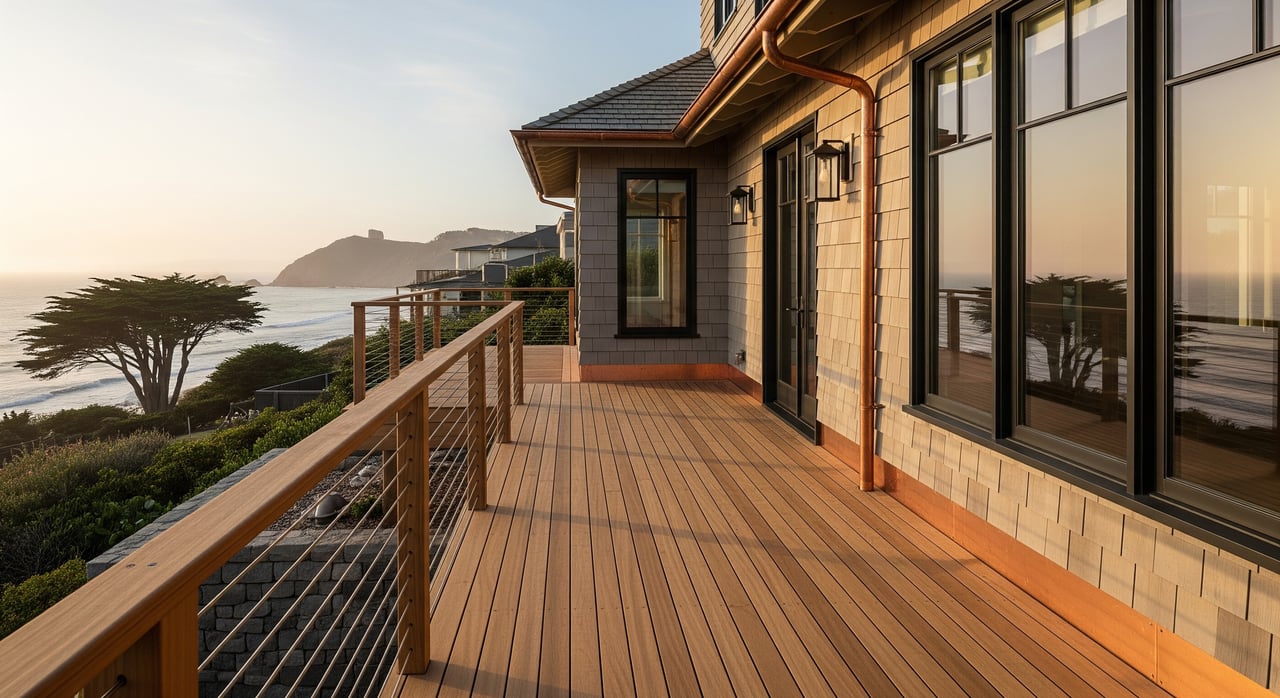
Salt attacks exposed metal quickly, especially railings, gates, flashing, and fasteners. Simple rinsing and the right coatings go a long way.
- Rinse exposed rails, gates, and deck hardware with fresh water on a regular schedule. Increase frequency after high winds or storms.
- Keep weep holes, scuppers, and downspouts clear so water sheds fast.
- Use corrosion-resistant options for replacements, such as marine-rated stainless, anodized aluminum, or hot-dip galvanized steel where appropriate.
- Recoat or touch up paint, powder coat, or clear finishes as recommended by the manufacturer. Inspect annually for chips or blisters.
- Match metals and fasteners to avoid galvanic corrosion.
What to ask a metal vendor
- Which alloys or coatings perform best at a Sea Cliff exposure?
- What maintenance cycle and inspections do they recommend?
- What is covered by their corrosion warranty?
Windows and doors
Windows and doors see constant salt spray and wind. The most common issues are corroded hardware, clogged tracks, worn weatherstripping, and failed insulated glass seals.
- Rinse frames, tracks, and sills monthly to remove salt. Keep weep holes open.
- Replace worn weatherstripping and brush seals annually or when you see gaps.
- Watch for fogging between panes. That means a failed seal and you should replace that insulated glass unit.
- Choose coastal-rated frames, hardware, and sealants when you repair or upgrade.
What to ask a window pro
- What sealants and hardware do they use for coastal exposure?
- How long do they expect insulated glass units to last near the ocean?
- What does the warranty cover for seal failure?
Roofs, flashing, and gutters
Roof edges and metal flashings take the brunt of the wind and salt. Keeping water moving and metal protected is key.
- Inspect the roof, valleys, ridge caps, and flashings at least twice a year and after major storms. Look for lifted shingles, loose flashings, or rust spots.
- Clean gutters and downspouts quarterly during the rainy season and after windy periods. Make sure water discharges away from the foundation.
- Rinse visible roof edges and exposed flashings if you see salt crust, but only if safe to access. When in doubt, hire a pro.
Call a licensed roofer if you see rusted flashing, corroded fasteners, missing shingles, or any recurring leak.
Exterior paint and finishes
Salt, UV, and wind shorten the life of exterior coatings. Good prep and regular rinsing extend that life.
- Use high-quality exterior systems rated for coastal conditions. Follow the manufacturer’s prep steps.
- Clean surfaces to remove salt before painting and let them dry properly.
- Inspect paint annually for chalking, cracking, or blistering. Address small failures quickly to protect the substrate.
- Expect to repaint windward elevations sooner than sheltered sides.
What to ask a painter
- Which primer and topcoat system do they recommend for coastal exposure and why?
- How do they remove salt before painting and how long do they allow for drying?
- What are the warranty terms and inspection intervals?
Wood, siding, and masonry
Salt drives moisture into joints and can stain or weaken materials over time.
- Use stainless or hot-dip galvanized fasteners in exterior wood. Keep wood trim sealed and well-painted.
- Refresh marine-rated finishes on exposed wood, such as decks and rails, as needed.
- Inspect stucco and masonry for cracks, failing caulk, and salt staining. Repoint or reseal where needed.
- Remove efflorescence with appropriate cleaners and improve drainage and ventilation so salts do not keep migrating to the surface.
Landscaping that survives salt
Coastal wind and salt can burn leaves and build up in soil. Planting strategy and irrigation make the difference.
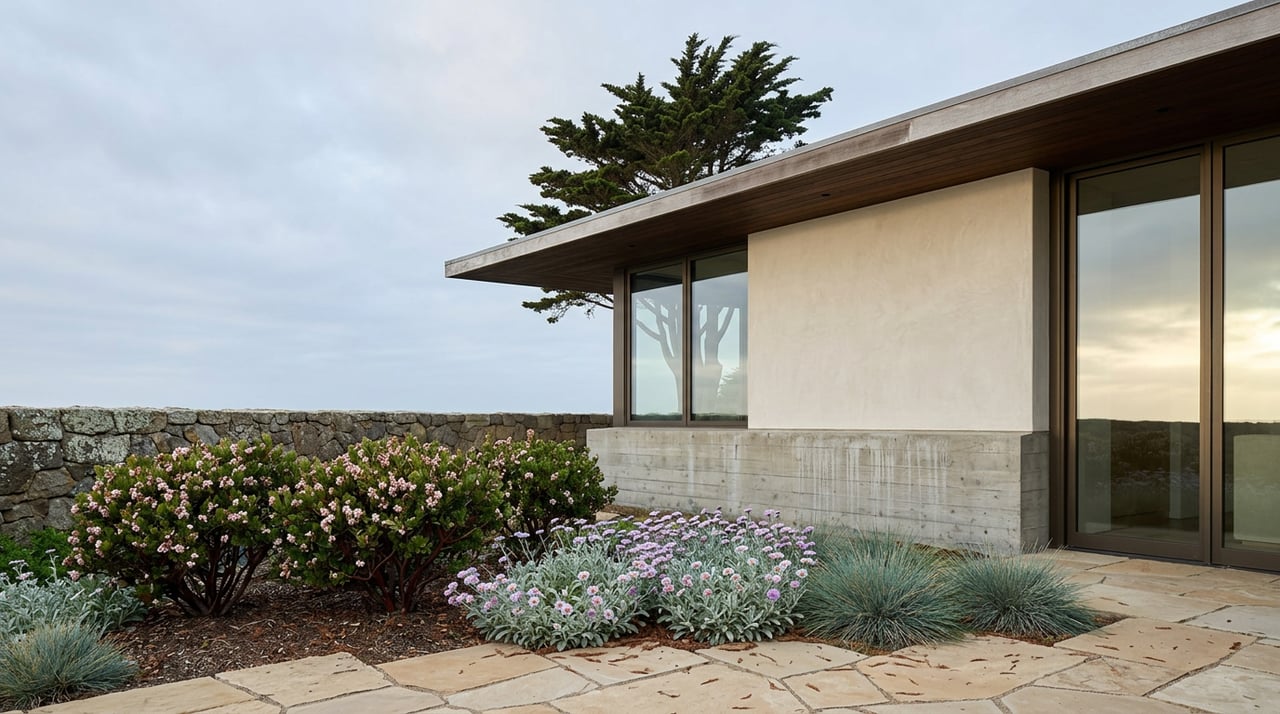
- Choose salt-tolerant, wind-tolerant species. Hardy native and Mediterranean-type plants often do well in coastal conditions.
- Use hedges or windbreaks to cut salt spray. Place sensitive plants in sheltered microclimates.
- Favor drip irrigation to reduce leaf wetting and flush salts from the root zone as permitted by local water rules.
- Add mulch and organic matter to buffer soil and retain moisture.
If plants decline, test soil for salt build-up and amend or replace soil as needed.
Your Sea Cliff maintenance calendar
Stay on schedule to prevent small issues from turning into big repairs. Safety first for any work at height.
Monthly
- Rinse exposed metal railings, gates, and accessible deck hardware.
- Wipe exterior fixtures and furniture to remove salt film.
- Clear window and door weep holes. Confirm downspouts flow freely.
- Check plantings for salt stress and give a gentle foliar rinse when needed.
Quarterly
- Clean gutters and downspouts, especially in fall and winter.
- From the ground or a safe vantage point, scan the roof for lifted shingles, loose flashings, and rust.
- Lubricate exterior door and window hardware. Check weatherstripping.
- Inspect paint for touch-ups. Flush drip irrigation and check emitters.
Spring and fall
- Hire a roofer for a thorough roof and flashing inspection. Document any corrosion.
- Have a window specialist check for failed insulated glass units.
- Pressure-wash siding and exterior, or hire a pro for older homes or high areas.
- Prune hedges and windbreaks before winter storms. Schedule HVAC service.
Annual
- Do a full exterior inspection with a contractor or an inspector familiar with coastal homes. Review roofing, gutters, flashing, paint, wood rot, and drainage.
- Reapply protective coatings on metal and wood per manufacturer guidance.
- Service irrigation and drainage. Flush salts from soil if tests show high salinity.
- Compile maintenance records and warranties for future buyers.
Multi-year planning
- Plan for shorter repaint cycles on windward sides and for trim.
- Upgrade corroded hardware and fasteners to higher-grade alloys when you replace components.
- Consider coastal-rated replacement windows if multiple glass units fail or air and moisture issues persist.
Permits, safety, and environmental notes
- Confirm San Francisco permit requirements before roofing, window replacements, or structural changes. Some Sea Cliff properties may require design or historic review.
- Follow local rules for pressure-washing and handling wash water. Keep detergents and paint chips out of storm drains.
- For roof work and tall facades, hire licensed and insured pros who use proper fall protection.
Who to hire and what to ask
Build a small roster of pros who understand coastal conditions and can respond quickly.
- Roofers (C‑39): Look for coastal experience and manufacturer certifications. Ask about metals, fasteners, and flashing details at windward edges.
- Exterior painters (C‑33 or licensed contractor): Seek coastal-system experience, clear prep steps, and written warranties.
- Metal fabricators and welders: Confirm marine-grade alloys, coating options, and maintenance cycles.
- Window and glazing specialists: Choose certified installers who work with coastal-rated sealants and hardware.
- Gutter and roof maintenance services: Verify insurance and safety practices.
- Landscapers and arborists: Ask for salt-tolerant plant lists, soil amendment strategies, and irrigation plans that flush salts.
- General contractor or coastal-focused home inspector: Useful for coordinating exterior envelope projects and pre-listing assessments.
For every vendor, verify a current California license and insurance. Get written scopes that name materials, alloys, coatings, and maintenance recommendations, along with references from nearby coastal work and clear warranty terms.
Getting ready to sell in Sea Cliff
If you plan to list, prioritize fixes buyers notice and inspectors flag. Replace fogged glass, repair visibly corroded flashings or hardware, and address any active leaks. Ensure exterior paint protects the substrate on windward sides and that gutters and drainage are clear. Pull permits and maintenance records together to show a well-cared-for home.
A little consistency goes a long way. With a simple rinse-and-inspect routine and the right coastal-rated materials, you can protect value, lower surprise repairs, and present your home with confidence.
Ready to tailor a plan for your property or prep for market with trusted local vendors? Connect with Jeff Marples to request a personalized market consultation.
FAQs
How often should I rinse metal and windows near the ocean?
- Rinse monthly where you see salt build-up, and more often after wind or storms.
Will stainless steel hold up without any maintenance in Sea Cliff?
- No, even stainless can stain or pit over time, so choose higher-resistance options and rinse and inspect regularly.
How fast will exterior paint wear in Sea Cliff?
- Coastal exposure shortens coating life, especially on windward sides, so plan on more frequent inspections and touch-ups than inland homes.
Can landscaping reduce salt damage to my yard?
- Yes, use salt-tolerant plants, windbreaks, drip irrigation, and soil management to reduce salt stress, but you cannot eliminate salt exposure.
What should I fix first before listing my Sea Cliff home?
- Replace fogged glass units, repair corroded flashings and hardware, address leaks, and ensure paint and drainage are sound, then organize maintenance records.