Is Millennium Tower the right fit for your lifestyle in SoMa? You may love the idea of a serviced high-rise with skyline views, hotel-like amenities, and a walk-to-everything location. You also want a clear picture of day-to-day life, the building’s structural history, and what to expect from the HOA. This guide gives you a practical look at residences, amenities, neighborhood routines, and smart due diligence so you can decide with confidence. Let’s dive in.
Millennium Tower at a glance
Millennium Tower sits at 301 Mission Street on the Yerba Buena edge of SoMa, one of San Francisco’s most walkable, transit-rich hubs. You can step out to cafés, restaurants, theaters, and museums, with Union Square, SFMOMA, and Moscone Center close by. Major transit is a short walk, including BART and Muni stations, plus the Salesforce Transit Center for regional buses. The setting is urban and high density, with typical downtown street activity and occasional event crowds.
The immediate area blends residential and commercial high-rises, so you get an active daytime and evening environment. Private outdoor space is limited compared to low-rise neighborhoods. You should also expect periodic construction or public projects common to SoMa.
Residences and layouts
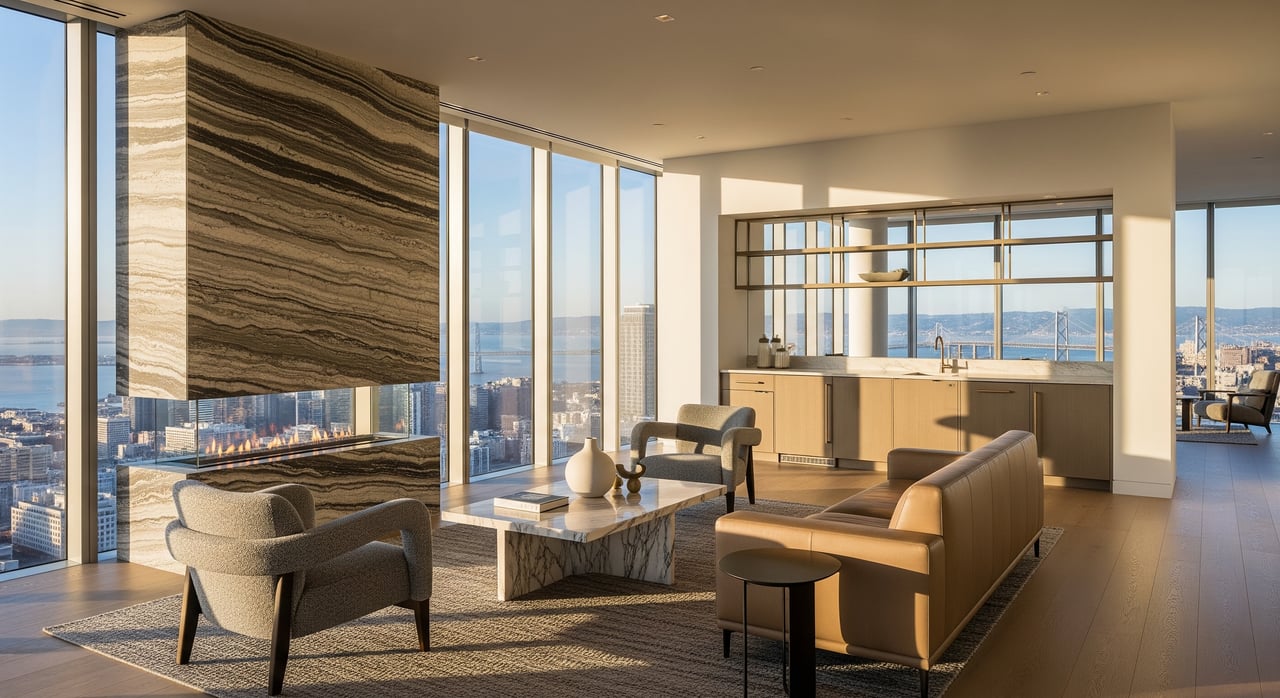
Homes in Millennium Tower include one to three bedroom condos, larger penthouses, and some multi-level layouts. You will see open-plan living areas and floor-to-ceiling windows that frame city, skyline, or bay outlooks. Typical finishes include hardwood floors, stone countertops, premium appliances, and custom cabinetry. Some larger residences offer private terraces or a formal dining area, but exterior space varies by unit.
Parking is a premium downtown. The building offers secure garage parking that may be valet or assigned, depending on the unit and current policies. Storage can be in-unit or communal. Always confirm the exact parking and storage arrangement tied to a specific residence before you write an offer.
Amenities and services
Luxury here centers on convenience and service. While specifics can change, amenities reported at Millennium Tower commonly include:
- 24/7 concierge and doorman services for security, guest access, and package handling
- On-site management and maintenance for common areas and building systems
- A fitness center, with possible options for classes or personal training
- Residents’ lounges or club rooms for gatherings and private events
- Meeting or guest suites, plus private dining and catering-friendly spaces in some configurations
- A secure parking garage, with guest parking protocols and potential EV charging availability
- Package rooms, bicycle storage, and coordinated vendor services
- Pet-friendly policies with typical rules and deposits
Because amenity inventories and service providers evolve, verify current offerings and staffing levels with the HOA disclosure packet or building materials. If you want a specific feature, such as a guest suite, confirm availability and any reservation rules in writing during due diligence.
Daily life and routines
Transit access is a daily advantage. You are close to multiple BART and Muni stations for city and regional trips. The Salesforce Transit Center is nearby for regional buses, and Caltrain at 4th and King is a quick rideshare or Muni ride for Peninsula commutes. Many residents rely on transit, walking, and rideshares, and use cars only when needed.
Groceries, pharmacies, and services sit within a few blocks. Restaurants, cafés, boutique shops, and hotels cluster throughout Yerba Buena and Union Square. For downtime, Yerba Buena Gardens offers green space, while SFMOMA and nearby theaters provide cultural anchors. This is an urban lifestyle with convenient access to daily needs and social life.
Lifestyle tradeoffs
- Pros: walkability, strong transit access, concierge services, and on-site amenities that simplify daily living.
- Considerations: street noise, event crowds at times, less private outdoor space than low-density neighborhoods, and periodic construction typical of SoMa.
If you value a lock-and-leave setup with services that reduce daily chores, the balance leans positive. If you prioritize yard space or very quiet streets, you may prefer other parts of the city.
Who it suits
Best fits
- Professionals who travel or want a low-maintenance home base with strong building services
- Out-of-area buyers seeking a pied-à-terre in a central location
- Buyers downsizing from larger homes who want proximity to dining, culture, and transit
- Anyone who values skyline or bay views, premium finishes, and security
Less likely fits
- Buyers who want large private outdoor areas, low-density surroundings, and very quiet streets
- Those who prefer neighborhoods centered on single-family homes with plentiful private storage and parking
HOA costs and building rules
Expect higher-than-average monthly HOA dues for a staffed, amenity-rich tower. Dues typically fund concierge and security, building systems, common area maintenance, reserves, and insurance on the master policy. Review the current operating budget and reserve study to understand how the HOA funds routine upkeep and long-term capital needs.
Ask about any recent or upcoming special assessments. Buildings that have completed or are completing major capital projects can carry assessments, so confirm whether these are fully funded, ongoing, or anticipated. Review the master insurance policy, especially coverages and exclusions, and consider an HO-6 condo policy with loss-assessment coverage. Earthquake insurance is separate in California and is common in seismic zones.
Rules matter for daily life and resale. Confirm policies for rentals, including any minimum lease terms, owner-occupancy requirements, or rental caps. Review pet rules, remodel guidelines, and protocols for moves and deliveries. Tall towers have specific elevator booking procedures, deposits, and contractor requirements that can affect renovation timelines.
Structural history and due diligence
Millennium Tower has a well-documented history of settlement and tilt that led to engineering studies, litigation, and a major foundation retrofit program overseen by engineers, contractors, and city agencies. As a buyer, you should request and review the HOA’s structural and engineering reports, the retrofit scope, permits and completion notices, and any warranties and monitoring plans.
Ask for the latest monitoring data that shows current settlement or tilt behavior, along with long-term monitoring protocols. Obtain any litigation documentation and settlement agreements that outline responsibilities and remedies. These materials will help you and your advisors evaluate long-term livability and risk.
Financing and insurance can be influenced by building history. Some lenders adjust their underwriting until they review engineering sign-offs and updated HOA documentation. Confirm building eligibility with your lender early, and check with your insurer about coverage. Your goal is to avoid surprises late in escrow.
A smart buyer’s checklist
Use this list to keep due diligence focused and complete:
- Request the full HOA resale packet: CC&Rs, bylaws, rules, financials, reserve study, and insurance
- Obtain all structural and engineering reports, monitoring updates, and city permit and completion records
- Confirm any special assessments, current or upcoming, and how they are funded
- Ask for the history of litigation and any settlement documents
- Verify financing eligibility with your lender and confirm insurance availability and terms
- Inspect the unit for evidence of movement, such as door or window misalignment or interior cracking
- Visit at different times of day to gauge street noise, elevator wait times, staff coverage, and neighborhood activity
- Confirm parking allocations, guest parking rules, EV charging options, storage assignments, and package handling procedures
How to evaluate a specific unit
Start with orientation and views, since floor-to-ceiling windows define the experience in many homes. Ask about window treatments, acoustic performance, and HVAC details that affect comfort. Confirm whether the layout fits your lifestyle, such as an open kitchen for entertaining or a separate dining area in larger plans.
Parking, storage, and work-from-home needs should be on your short list. Check whether there is a designated parking space or valet arrangement, where storage is located, and what the policy is for bicycles. For frequent travelers, ask about security procedures, package room operations, and staff protocols for vendor access.
If you plan to remodel, review construction rules, approved contractor lists, and any quiet hours or noise policies. Book a second visit during peak times to experience elevator usage and lobby traffic. These small details add up to daily comfort.
Next steps
If you see yourself in a serviced, walkable SoMa tower with strong access to transit and culture, Millennium Tower can be a compelling option. The right next step is a careful review of the HOA packet, structural documentation, financing options, and unit-level fit. A focused plan will save time and help you act decisively when you find the right residence.
For a personalized game plan and a curated shortlist of available units, connect with Jeff Marples. Request a personalized market consultation and get clear, practical advice tailored to your situation.
FAQs
What amenities does Millennium Tower offer today?
- Amenities reported include a staffed lobby with concierge and doorman, on-site management, a fitness center, resident lounges, possible guest or meeting spaces, a secure garage, package rooms, and bike storage. Verify the current inventory and any booking rules with the HOA before you rely on specific features.
How convenient is transit from 301 Mission Street?
- You are a short walk to multiple BART and Muni stations, near the Salesforce Transit Center for regional buses, and a quick trip to Caltrain at 4th and King. Many residents rely on transit, walking, and rideshares for daily commuting.
What should I know about structural history and safety?
- The building’s settlement and tilt were widely reported and led to a major retrofit program overseen by engineers and city agencies. Request the latest engineering reports, permits, completion notices, warranties, and monitoring data to understand current conditions and long-term plans.
Will the building’s history affect my mortgage?
- It can. Lenders may require updated engineering documentation and HOA materials to confirm eligibility. Check with your lender early to understand underwriting requirements and timing.
How high are HOA dues at Millennium Tower?
- Large, amenity-rich towers often have higher monthly dues to fund staff, building systems, maintenance, reserves, and insurance. Review the current budget and reserve study, plus any recent or planned special assessments, to understand total cost of ownership.
Are pets allowed, and what are the rules?
- Many downtown towers allow pets subject to rules, size limits, and deposits. Confirm the pet policy, any breed or number limits, and procedures for common areas before you commit.
Is parking included with every condo?
- Parking varies by unit and may be valet or assigned. Confirm exactly what is included with the residence, along with guest parking procedures and whether EV charging is available.
Can I rent out my condo, and are short-term rentals allowed?
- Rental policies differ by building and can include minimum lease terms, rental caps, or owner-occupancy requirements. Review the HOA CC&Rs and rules to understand what is allowed, including any restrictions on short-term rentals.