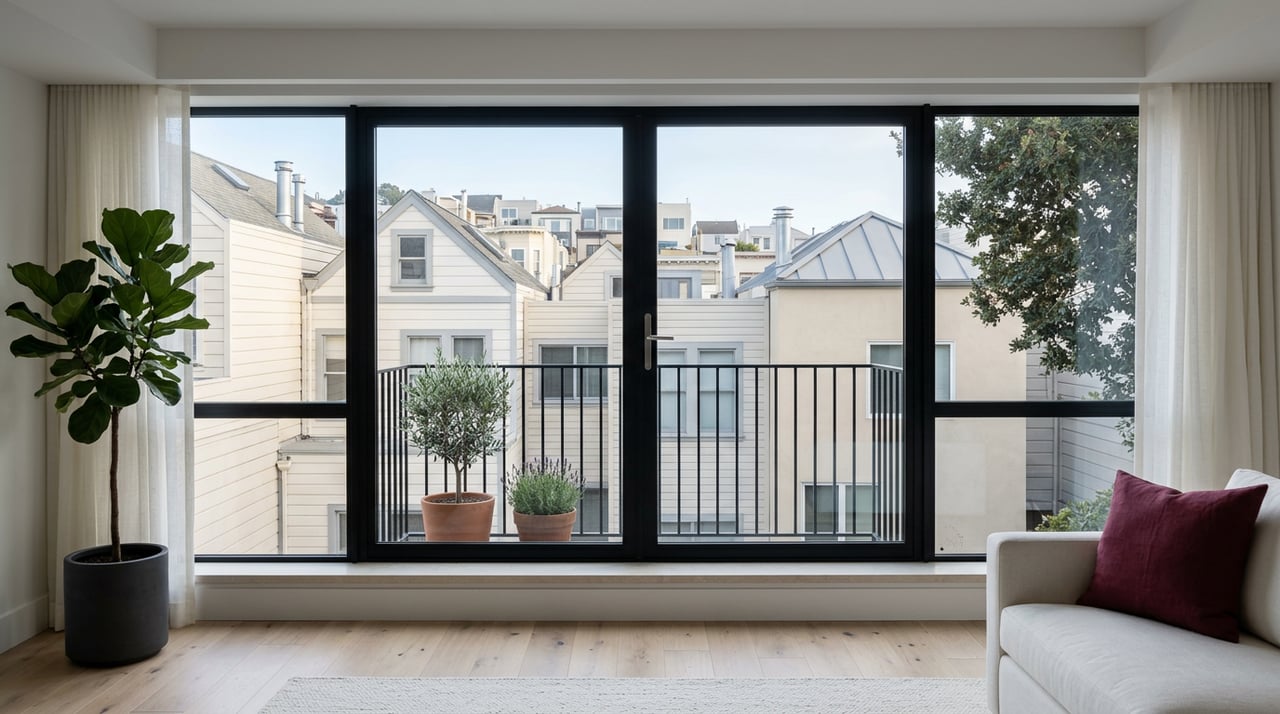
Buying a view condo on Telegraph Hill or in North Beach is equal parts dream and due diligence. The views are extraordinary, the buildings are unique, and the details that drive value can be subtle. If you want the bay, bridges, or skyline out your window, you also need a plan for stairs, HOAs, seismic issues, parking, and the long-term security of that view. This guide shows you the tradeoffs to weigh and the steps to protect your investment. Let’s dive in.
Telegraph Hill and North Beach at a glance
Telegraph Hill rises around Coit Tower with a compact, historic character shaped by active preservation and careful height limits. Those rules protect scale and create real scarcity for view corridors, which is a big reason views feel so prized here. You’ll find a mix of small historic flats and a handful of mid-rise condo buildings. Local preservation groups and historic-district policies still shape what gets built and how tall it can be, which is helpful context as you evaluate long-term view security. Learn more about the neighborhood’s preservation story from the Telegraph Hill Dwellers.
North Beach, just southwest of Telegraph Hill, offers a lively street scene with cafes and restaurants, plus a blend of pre-war flats and newer mid-rise buildings near the waterfront. The city’s planning history calls out North Beach’s walkable core and historic fabric, which adds to its daily appeal and supports steady buyer interest. For more background, see the city’s North Beach Historic Context Statement.
Transit is straightforward for most daily needs, and many addresses let you walk to the Embarcadero or downtown. If you want quick access up the hill, the scenic Muni 39-Coit route serves Coit Tower and nearby streets. Tourist foot traffic around landmarks can be a factor in peak seasons, but the payoff is convenience and energy at your doorstep.
Where views shine and how they price
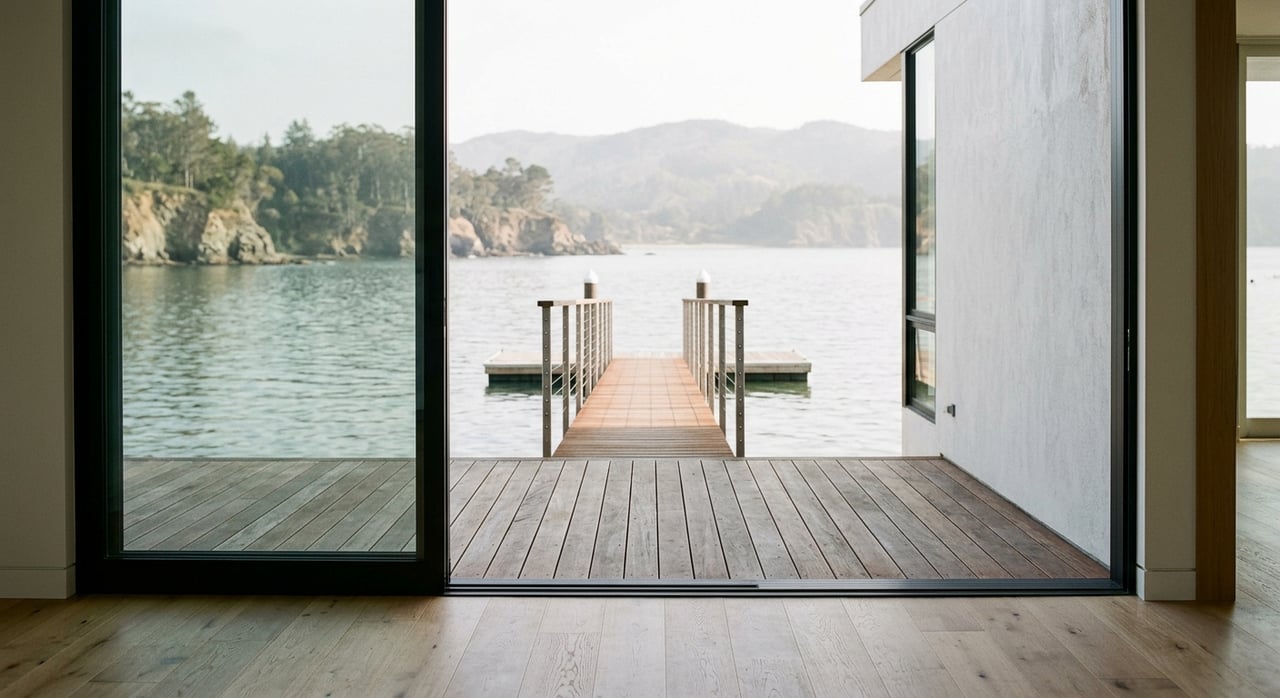
Not all views are valued the same. Buyers in these neighborhoods often sort views into clear buckets: full bay or bridge views, panoramic skyline views, landmark views like Coit Tower, and partial or framed peeks between buildings. The orientation of the unit, floor height, and window size matter, and so does whether the outlook is from main living areas or a secondary room.
Independent research shows that water views tend to command meaningful premiums compared to similar homes without a view. Analyses of housing markets report premiums ranging from single digits to much higher percentages, depending on quality and scarcity. For a general reference on how views influence prices, review this summary from Freddie Mac’s research team. In a constrained market like northeast San Francisco, the right outlook can justify a real difference in value.
Two practical notes when you see a wow-factor window: first, confirm the view is from the living space you’ll use daily, not only a corner of a bedroom or a shared roof deck. Second, document the view during different times of day and weather. Seasonal fog can soften or mask long-range vistas, so you want a realistic picture of what you’ll enjoy most of the year.
Buildings, elevators, and stairs
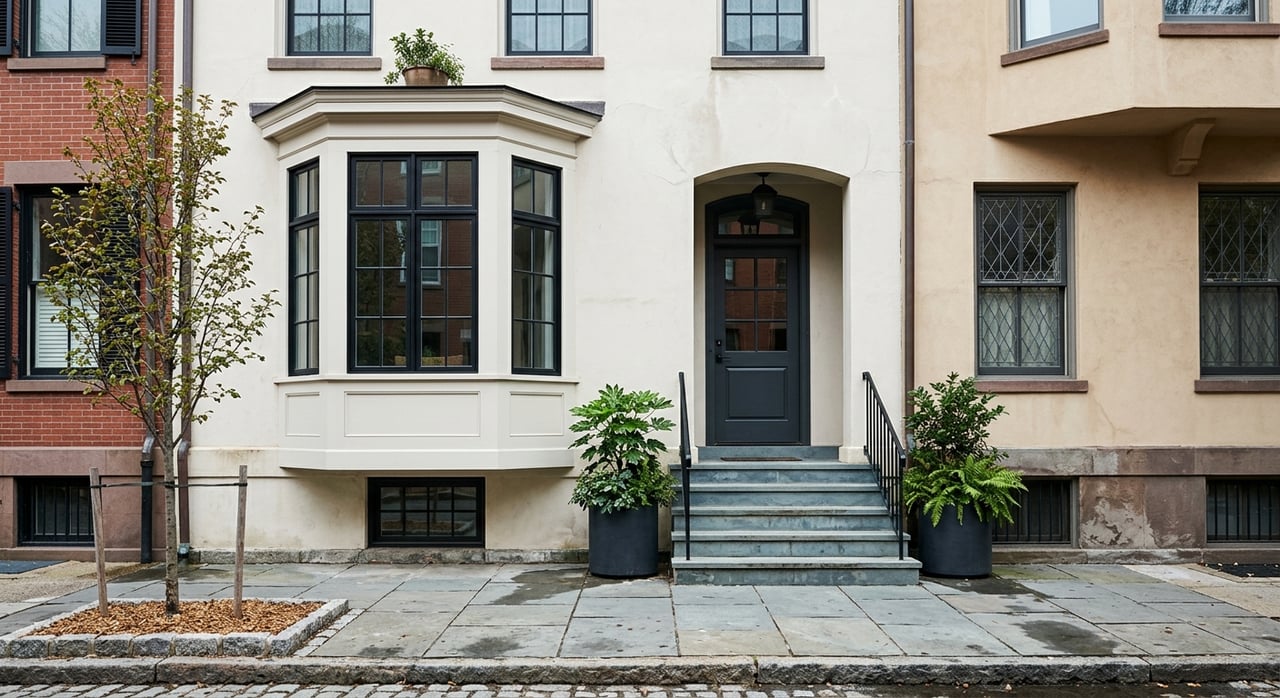
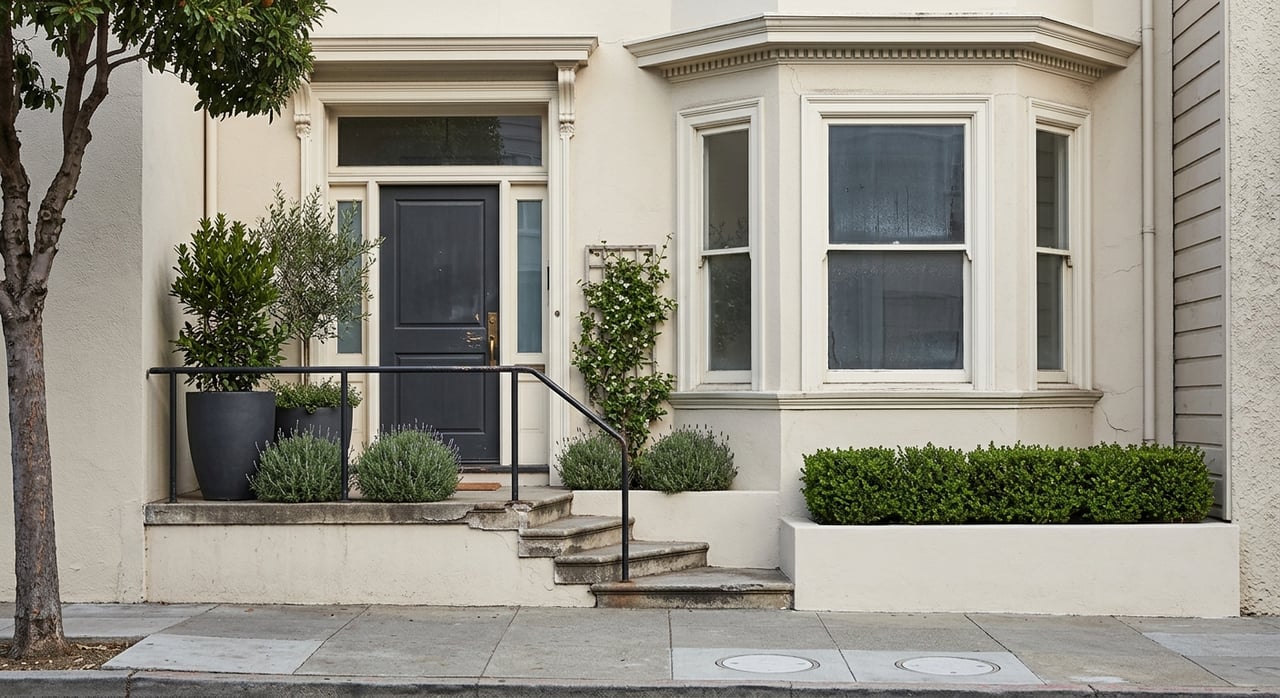
Most buildings on Telegraph Hill and in North Beach were built in the pre-1906 to early 20th-century eras, with some mid-century and later infill. This history explains why you’ll see many small walk-up buildings and a smaller set of elevator mid-rises. For more on the area’s building heritage, explore FoundSF’s look at Telegraph Hill’s survivors.
Walk-ups are common, especially in historic flats, and the terrain adds vertical travel before you even reach your front door. The Filbert and Greenwich steps are iconic examples of hillside access. If mobility or resale to a broader buyer pool is important, an elevator building can be a strategic choice even if it means a slightly different kind of view or higher HOA dues. If you love character and the highest perch, a top-floor walk-up may give you stronger light and a wider outlook, but you’ll trade convenience for those stairs.
Floor plans and outdoor space
Typical units range from compact studios and one-bedrooms to two-bedroom flats, with some larger two-bed/two-bath homes and the occasional penthouse. Many view-forward listings highlight window walls or living rooms that orient to the outlook. Private terraces and deeded roof decks are highly prized. A private outdoor space with bay exposure can amplify the value of an already strong view, while a shared deck can be a great amenity if you do not need exclusive use.
When touring, note where the view sits relative to your daily life. A living room or kitchen facing the bay is usually more valuable than a secondary room with a peek. Also confirm whether any outdoor space is deeded to the unit or designated as an exclusive-use common area in the HOA documents.
HOA, reserves, and inspections you must review
Condo value here is shaped by more than the view. The strength of the HOA and the condition of the building can add confidence or introduce risk. Before you commit, ask for the complete HOA resale package per California law so you can understand the building’s finances and upcoming projects. See a plain-English summary of disclosure requirements at LegalClarity.
Here is what to request and why it matters:
- Current budget and most recent reserve study or funding disclosure. Reserve health signals the HOA’s ability to cover major repairs without constant special assessments. California requires regular reserve studies; learn the basics at MBK Chapman’s reserve-study overview.
- Last 12 months of board meeting minutes. Minutes reveal patterns like frequent assessments, deferred maintenance, or vendor disputes.
- Insurance declarations for the master policy. Confirm what the building covers and what you must insure yourself.
- CC&Rs, bylaws, and house rules. You want clarity on use restrictions, pets, leasing, and how exclusive-use areas are defined.
- Any pending or recent special assessments, litigation, or DBI notices. These affect both cash flow and resale timing.
Insurance and earthquake questions to ask
San Francisco is earthquake country. Most HOAs carry a master policy that covers the building’s exterior and common areas. Many master policies do not include earthquake insurance, and deductibles can be significant. As a buyer, you will typically carry an HO-6 policy to cover your interior finishes, contents, liability, and loss assessment, and you will decide whether to add earthquake coverage.
Ask these questions early:
- Is the HOA master policy “bare walls” or “all-in,” and what is the deductible?
- Does the HOA carry earthquake coverage, and if so, how is the deductible funded?
- What does my HO-6 need to cover to fill the gaps? For earthquake options and consumer guidance, review the California Earthquake Authority.
Seismic retrofits and building safety
Many multi-unit wood-frame buildings in San Francisco were identified for the city’s Mandatory Soft-Story Retrofit Program. You should confirm whether a building is on the list, whether retrofit work is complete, and if any assessments were used to fund repairs. Start with the Department of Building Inspection’s program resources and FAQs at SF DBI.
You should also ask about recent inspections, roof and balcony maintenance, and whether the HOA has upcoming life-safety upgrades planned. These items influence both your monthly costs and your risk profile.
Parking, transit, and daily rhythm
Parking is limited in these neighborhoods, and many view condos do not include a deeded space. If a car is essential, budget for a garage spot or confirm assigned parking in the building. If you prefer to go car-light, many addresses offer quick access to the Embarcadero, downtown, and neighborhood shops on foot, and the 39-Coit bus helps with steep climbs.
Tourist activity near landmarks can create periods of higher foot traffic and weekend bustle. For some buyers the energy is a plus, and for others it is a consideration. Visit at different times of day to judge street noise, traffic flow, and your preferred rhythm.
How secure is that view
California law does not grant an automatic right to a view. Unless an easement or covenant protects it, nearby development can change what you see. Review zoning and height limits, scan recent planning filings, and ask the HOA or listing agent about known projects nearby. For a primer on how California treats view rights, see this legal overview at FindHOALaw.
San Francisco’s microclimates also matter. Fog and low clouds can soften or erase distant vistas at certain times of year, especially with ocean-facing exposures. Expect seasonal shifts and evaluate whether the view holds up in morning, midday, and evening light. If you want a deeper dive into how microclimates vary, see the general explanation of microclimate patterns.
Two smart buyer paths
- The classic top-floor walk-up. You trade convenience for drama. Expect character, strong light, and often the widest outlook for the size. Stairs can limit the future buyer pool, so you price-in mobility considerations and plan your move logistics.
- The elevator mid-rise with parking. You get a more modern building, services, and often deeded parking. HOAs may be higher to support elevators, reserves, and building systems, but access is easier and resale appeal can be broader.
Neither is universally better. Your best option is the one that matches your daily life, risk tolerance, and time horizon.
Your step-by-step game plan
- Define your view goal. Rank water, bridge, skyline, or landmark views in order of importance, and decide how much you value a private terrace.
- Pre-vet the building type. Choose your threshold for stairs vs elevator and whether parking is a must-have or nice-to-have.
- Run a view audit. Visit at multiple times of day, in different weather, and document the view from main living areas. Note any construction sites and crane activity nearby.
- Request the full HOA file. Review budget, reserves, minutes, insurance declarations, CC&Rs, and any special assessments or litigation. Use professionals as needed to interpret the reserve study and master-policy details.
- Check seismic and permits. Confirm soft-story status and other DBI items at SF DBI. Ask whether recent retrofit work resulted in assessments.
- Clarify insurance strategy. Align your HO-6 and earthquake plan with the HOA master policy and deductible. Start with consumer guidance at the California Earthquake Authority.
- Validate exclusivity. Confirm whether terraces or roof decks are deeded or exclusive-use common areas.
- Price the view precisely. Compare recent like-kind sales in the same building or nearby with similar height, orientation, and outdoor space. Independent research suggests views can carry material premiums; calibrate to hyper-local comps rather than rules of thumb. A general academic perspective on view impacts can be found in Freddie Mac’s research.
- Negotiate risk. Use reserve weakness, high deductibles, pending assessments, or open DBI items as leverage to structure credits or price.
The bottom line
A view condo on Telegraph Hill or in North Beach should feel like a daily luxury, not a gamble. When you match the right outlook with the right building, HOA strength, and access plan, you set yourself up for years of enjoyment and a more resilient resale. If you want a clear, step-by-step path through this niche market, let’s talk about your timeline, budget, and view goals.
If you are ready to see the best options on and around the hill, connect with Jeff Marples for a private consultation and curated tour. Request a personalized market consultation.
FAQs
What defines a true “view condo” in Telegraph Hill or North Beach?
- A unit with primary living areas oriented to a recognizable outlook, such as bay, bridge, skyline, or a landmark, ideally framed by large windows or a private terrace rather than only a shared roof deck.
How do HOA finances affect a view condo’s value in these neighborhoods?
- Strong reserves, clear budgets, and minimal litigation reduce risk and support resale, while weak reserves or frequent special assessments can suppress value and should factor into negotiations.
Is there any legal protection for my view once I buy?
- Generally no; California does not grant a guaranteed right to a view, so you must evaluate zoning, nearby development patterns, and any recorded easements before you price the view into your offer.
What should I ask about earthquake insurance for a San Francisco condo?
- Confirm if the HOA carries earthquake coverage and the deductible, then decide on a personal HO-6 and earthquake policy to cover interior finishes, contents, liability, and possible loss assessments.
Are stairs a dealbreaker for resale on Telegraph Hill?
- Not necessarily, but stairs narrow the buyer pool; top-floor walk-ups can still command strong prices if the outlook and light are exceptional, while elevator access broadens appeal and convenience.