Choosing between One Rincon Hill and other nearby towers can feel like comparing apples to oranges. Each building has its own view corridors, amenity style, commute tradeoffs, and HOA culture. You want a clear, practical way to narrow the list so you can act with confidence. This guide walks you through the key differences that matter in the East Cut micro-market and gives you a step-by-step plan to verify them. Let’s dive in.
One Rincon Hill in context
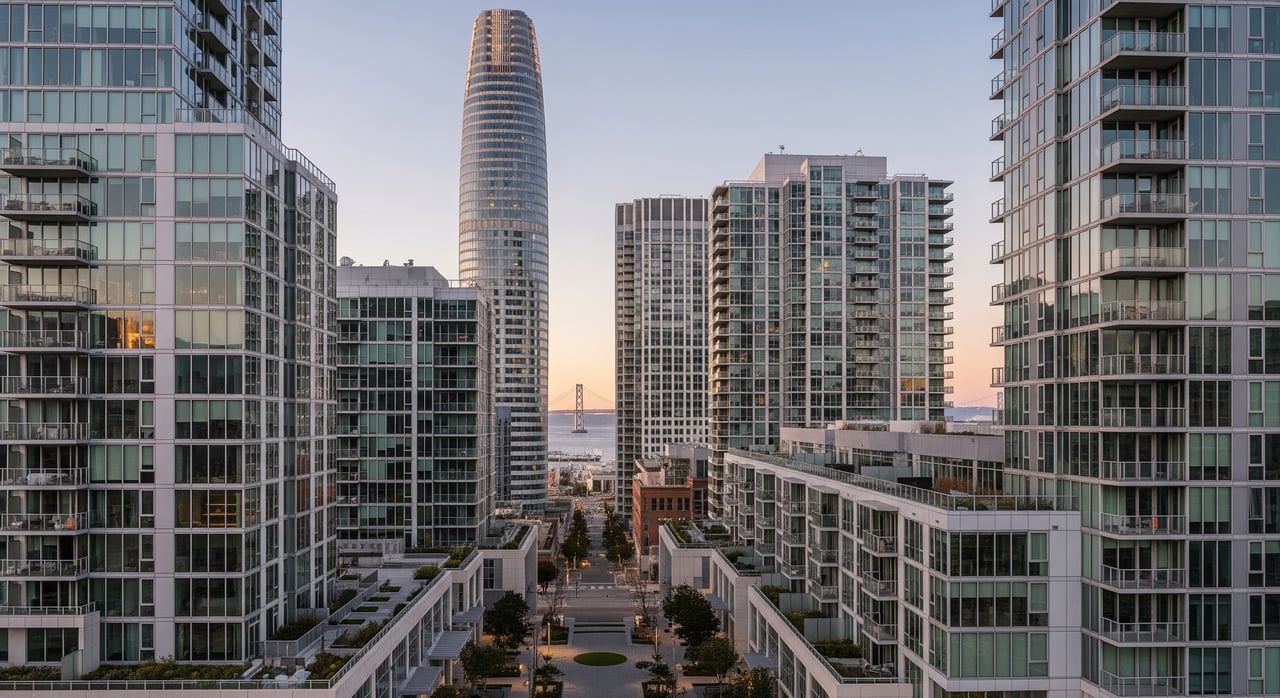
One Rincon Hill sits within the Rincon Hill and East Cut corridor, a dense cluster of high-rises near the Embarcadero, the Financial District, and major freeways. The location is popular for its walkability, quick access to transit, and short rides to Mission Bay and Caltrain. The development includes two separate towers, which can create real differences in floor plates, orientation, and view lines.
Because of the two-tower setup, no two stacks live the same. Floor level, direction your living areas face, and finish packages can vary. If you keep those variables front and center, you can make apples-to-apples comparisons with other nearby towers.
How to compare: the four pillars
Views and orientation
Views drive daily enjoyment and long-term value. Focus on:
- Elevation. Higher floors typically clear nearby podiums and mid-rises, revealing wider skyline or Bay outlooks. Lower floors can see more street-level obstructions.
- Orientation. Corner and double-aspect plans capture more than one view type. Primary exposure matters for daylight and outlook.
- Glass and balcony details. Floor-to-ceiling glazing, window spans, and balconies or Juliet balconies affect sightlines.
- Future-blocking risk. Review nearby entitlements and planned projects to judge whether a corridor could change.
How One Rincon Hill typically compares:
- The two-tower layout produces big differences by stack and floor. Some lines orient to Bay or bridge corridors, others offer more urban or partial water views.
- Many upper-level homes have wide glass and open outlooks. Lower levels may be more affected by adjacent buildings and street canyons.
- Always confirm with stack plans and on-site photos at the time of day you care about most, such as morning light or sunset.
Amenity packages and services
Amenities range from lean and practical to full resort-style.
- Core checklist. Fitness center, spa or pool, roof or terrace space, lounges, business or conference rooms, children’s area, package rooms, bike storage, and pet facilities.
- Service level. Front desk hours, concierge, security staffing, valet or self-park, access control tech, and elevator security.
- Condition and scale. Older buildings may have smaller gyms and simpler finishes. Newer luxury towers often expand amenity floors and services.
- Costs and access. Confirm what the HOA includes versus optional fees or use permits.
One Rincon Hill’s typical profile offers the core urban high-rise set. The size and finish level of amenities can feel more modest relative to certain newer luxury towers that emphasize larger, hospitality-style spaces. Your job is to match the package to how you live and what you will actually use.
Commute access and transportation
Your daily routes should be tested, not assumed.
- Walkability. The East Cut offers short walks to the Financial District and the Embarcadero waterfront.
- Transit. You are close to Muni connections and within reach of BART. Caltrain at King Street is a brief ride south.
- Freeway access. Access to I-80, 101, and 280 is a key draw if you drive regularly.
- Rideshare and last-mile options. Bikeshare, scooters, and rideshare pickup are common and convenient in this corridor.
For One Rincon Hill specifically, many buyers prioritize the ability to walk to downtown and hop on transit quickly. If you need exact timing, do a door-to-door test during your typical commute window.
HOA culture and finances
Your HOA shapes daily experience and long-term cost.
- Dues and inclusions. Identify what utilities, insurance, staffing, and amenity upkeep are covered.
- Reserves and studies. Review reserve studies and audited financials to gauge readiness for capital repairs.
- Special assessments and litigation. Read recent board minutes and disclosures for any planned or ongoing projects, and check public records for litigation.
- Community profile. Owner-occupancy levels, rental rules, and pet policies can influence culture and turnover.
One Rincon Hill has two discrete HOAs because of the two towers. Review each tower’s documents separately, and pay close attention to envelope maintenance, systems, and any seismic or facade projects that can impact reserves and planning.
One Rincon Hill vs nearby towers
Lumina
- Profile. A newer luxury complex that emphasizes larger amenity floors and a high-service experience.
- What to verify. Amenity depth and condition, parking ratios and any additional amenity fees, recent common-area improvements.
- Common tradeoffs. Often higher finish levels and resort-style spaces compared with mid-2000s stock, which can be reflected in HOA dues and price per square foot.
The Infinity
- Profile. A two-tower community close to the waterfront and Embarcadero.
- What to verify. Stack-by-stack orientation for water versus city views, amenity breadth, and condition of common spaces.
- Common tradeoffs. Waterfront adjacency and orientation can drive premiums for certain stacks and floors.
Transbay corridor towers, including 181 Fremont and similar
- Profile. Newer, often boutique-feeling luxury towers with high-spec finishes, elevated services, and smaller unit counts per floor.
- What to verify. HOA dues, included services, and any valet or concierge details that affect ongoing costs.
- Common tradeoffs. Higher price-per-square-foot and often higher dues in exchange for newer construction, upgraded interiors, and elevated service.
Mission Bay and One Mission Bay
- Profile. Newer stock with larger podiums or multi-building campuses, convenient to biotech and tech employment centers.
- What to verify. Integration with nearby green space, retail, and transit links to downtown or Caltrain.
- Common tradeoffs. Modern amenities and community features balanced against slightly longer walks to the Financial District compared with East Cut core locations.
Other SoMa high-rises with mid-range finishes
- Profile. 2000s-era buildings that often have more compact floor plans and leaner amenities.
- What to verify. Age and condition of common facilities, mechanical systems, and reserve strength.
- Common tradeoffs. Potentially lower dues and purchase prices, with the need to evaluate any upcoming capital projects more closely.
A practical 9-step evaluation plan
Use this workflow to move from browsing to a confident short list.
Pre-filter by non-negotiables
- Define bedrooms, parking needs, maximum HOA, pet policies, and minimum view criteria. Eliminate buildings that miss on any must-have.
Map exact commute times
- Run door-to-door tests during your peak windows. Walk the route to transit, and note elevator and lobby times.
Verify views by stack and floor
- Request stack plans and floor plates. Visit at the time of day you will be home most. Take photos and compare to resale photos for that line.
Inspect amenities in person
- Tour the gym, pool or spa, terraces, lounges, and package areas. Ask about scheduled repairs or planned upgrades that could limit access.
Audit HOA documents carefully
- Collect CC&Rs, bylaws, the last two years of financials and budgets, the latest reserve study, board minutes from the past 6 to 12 months, and any assessment notices.
Screen capital and legal risk
- Check for recorded liens, litigation, or large capital projects such as facade work or system replacements. Identify timing and cost-sharing plans.
Compare resale performance and liquidity
- Review price per square foot, days on market, and turnover rates within each building. Liquidity supports your future exit.
Understand the owner profile
- Estimate owner-occupancy versus investor share using sales history and rental rules. This can influence culture, wear and tear, and resale dynamics.
Bring in the right pros
- Use a home inspector experienced with high-rises. Consider a condo-focused structural or engineering consult if documents or history suggest bigger questions. If HOA issues are complex, bring in a real-estate attorney familiar with California condominium law.
What really drives value here
- View security and quality. The combination of elevation, orientation, and future-blocking risk has lasting impact.
- Amenity and service fit. Pay for what you will use, and confirm condition to avoid surprises.
- Commute and lifestyle match. Short, reliable routines add daily value, especially if you split time between downtown and Mission Bay.
- HOA strength. Reserves, governance, and transparency are critical in larger tower communities and can affect both monthly costs and resale timing.
If you weigh these inputs the same way across One Rincon Hill and its peers, the right choice usually becomes clear. You will see where each building shines, where it trades cost for convenience or service, and how well it supports your long-term goals.
Ready to compare actual units, stack data, and HOA packets side by side? Reach out for a focused, one-on-one consultation. Jeff Marples can help you test commutes, verify views, and negotiate from a position of strength.
FAQs
What sets One Rincon Hill apart from Lumina for buyers?
- One Rincon Hill typically offers core urban amenities and strong view potential that varies by tower, stack, and floor, while Lumina is known for larger, resort-style amenity spaces and newer finishes. Your choice comes down to service level preference, finishes, and whether a specific One Rincon Hill view line beats a comparable Lumina outlook.
How do I know if my One Rincon Hill view will stay open?
- Review stack plans for the unit, then check nearby entitlements and planned projects to assess future-blocking risk. Visit the unit at the time of day you value most and compare on-site photos to past resale images for that stack.
Are HOA dues usually higher at newer East Cut towers?
- Newer luxury towers with expanded amenity floors and elevated services often carry higher dues, while mid-2000s buildings may have leaner amenities and lower dues. Always compare what is included, current reserves, and any planned projects that could lead to assessments.
How does the commute from One Rincon Hill compare to other towers nearby?
- You can typically walk to the Financial District and connect quickly to Muni or BART, with Caltrain a short ride south. The best way to compare is to run door-to-door tests at your peak times from each building you are considering.
What should I look for in HOA documents at One Rincon Hill?
- Review dues and inclusions, reserve studies, audited financials, board minutes, assessment notices, and any litigation or large capital projects. Since there are two towers, analyze each HOA’s documents separately.
Do parking and storage vary much across East Cut towers?
- Yes. Some buildings offer dedicated stalls and additional storage, while others have limited or optional parking and lockers. Confirm allocation, costs, and guest parking rules before you write an offer.