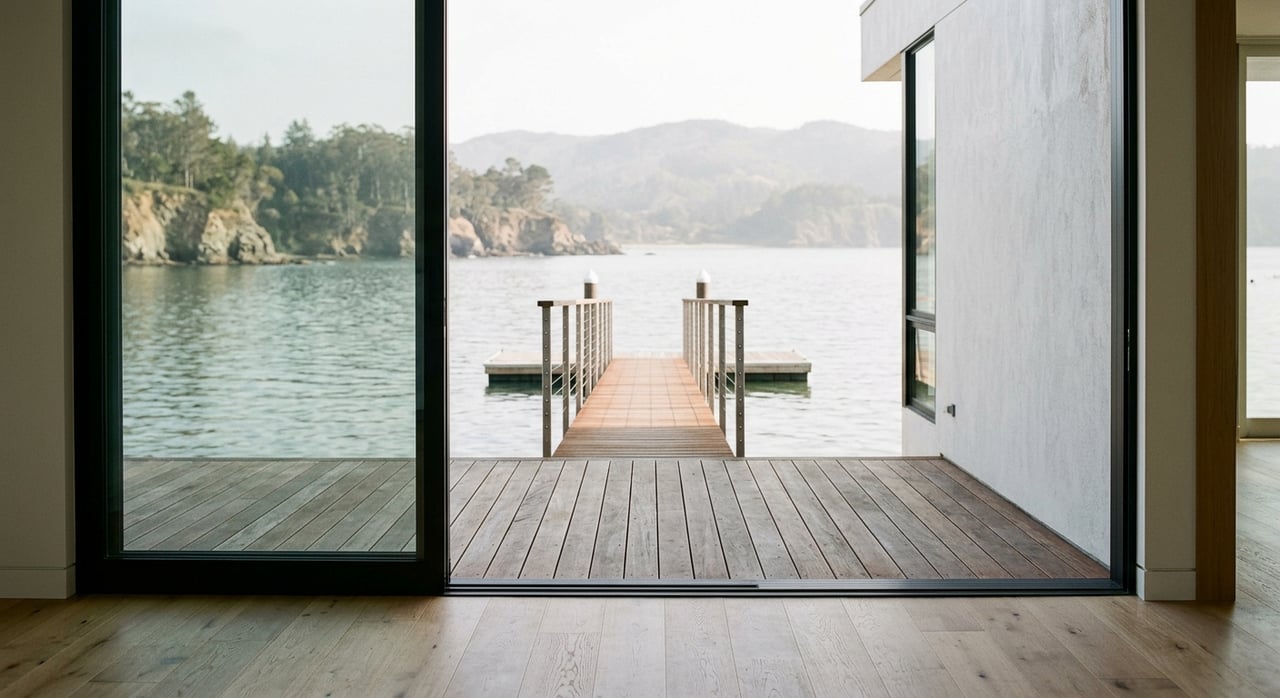
Selling a waterfront home in Belvedere is not the same as selling a home a few blocks inland. When your property sits near the Bay, buyers tend to look closely at views, shoreline features, flood-zone details, permits, and overall maintenance. If you want a smooth, well-positioned sale, the prep work matters. In this guide, you’ll learn how to get your Belvedere waterfront home market-ready with fewer surprises and stronger buyer confidence. Let’s dive in.
Start With Waterfront-Specific Planning
A Belvedere waterfront sale often involves more moving parts than a typical listing. Depending on the property, you may need to think about flood-zone documents, dock or seawall repairs, exterior review rules, and timing around tides and weather.
Belvedere’s flood guidance notes that flooding can happen when heavy rainfall lines up with high tide. The city also identifies many homes in the Belvedere Lagoon and West Shore Road neighborhoods as being in FEMA AE or VE special flood hazard areas. That means buyers may ask detailed questions early, so it helps to get organized before your home hits the market.
Review Flood-Zone Documents Early
If your home is in or near a mapped flood area, do not wait until escrow to gather paperwork. Flood insurance is separate from standard homeowners insurance, and buyers often want clarity on what applies to the property.
Belvedere also states that elevation certificates for new flood-zone projects are kept at City Hall. If your property has one, having it ready can help answer questions more efficiently during disclosures and due diligence.
Key documents to gather
- Flood insurance information, if applicable
- Any elevation certificate available for the property
- Permit history related to flood-zone work
- Existing surveys or site plans
- Engineering reports, if you have them
- Any prior repair documentation for shoreline improvements
Tackle Permits and Repairs Before Listing
Waterfront homes often include features that buyers notice right away, such as docks, pilings, seawalls, bulkheads, railings, decks, and shoreline edges. If any of those items need repair, it is usually better to address them well before photography and launch.
BCDC states that many projects and activities in the Bay and along its shoreline require a permit. Its jurisdiction covers San Francisco Bay and the first 100 feet inland from the shoreline, so some Belvedere homes can fall under both local and regional review.
BCDC also notes that many shoreline projects need local discretionary permits and other approvals before a BCDC permit can be issued. In practice, that means repair timing can stretch longer than sellers expect.
Why early repair sequencing matters
If you complete work before listing, you can present the home with:
- Finished repairs instead of open questions
- Cleaner visual presentation for photos and showings
- Permit status that is easier to explain
- Sign-off documentation, if available
Belvedere’s Planning and Building FAQ says dock repairs or replacements at the Lagoon are often treated as medium-sized projects that may receive Standard Building Staff Review, usually in about 10 days. Larger projects may require multi-department review, with an initial plan review letter in roughly 28 working days to about 30 days. Those timelines are a good reminder to start early.
Be Careful With Last-Minute Exterior Changes
It is easy to assume that small cosmetic updates are harmless. In Belvedere, that is not always the case.
The city’s Planning and Building FAQ says most exterior changes require Design Review, even if a building permit is not required. That means items like fences or screening may still trigger review, even when they seem minor.
Before you add privacy screening, alter railings, replace exterior elements, or change visible outdoor features, confirm whether review is needed. The last thing you want is to delay your listing over a change that looked simple on paper.
Prepare the View, Not Just the House
In Belvedere, the view is part of the asset. Buyers are not only judging square footage or finishes. They are also reacting to how the home frames the water, shoreline, and outdoor living spaces.
BCDC’s Bay Plan says bayfront development should be designed to enhance the viewer’s experience and that maximum efforts should be made to preserve or enhance views of the Bay and shoreline, especially from public areas, from the Bay itself, and from the opposite shoreline. For sellers, that creates a useful lens for pre-listing prep.
Focus on these visual elements
- Deck and terrace furniture placement
- Railing sightlines
- Window cleanliness and window-line presentation
- Landscaping that may interrupt water views
- Dock appearance from the home and shoreline
- Outdoor clutter near the water edge
Think of your exterior spaces as part of one visual composition. A waterfront buyer often experiences the property through layers: interior sightlines, terrace views, shoreline condition, and how the home sits against the Bay.
Clean Up With the Bay in Mind
Exterior cleanup is about more than curb appeal in a waterfront setting. Belvedere reminds residents that storm drains drain to the Bay, so maintenance and cleanup should be handled thoughtfully.
That matters when you are pressure washing, clearing debris, refreshing outdoor areas, or generally getting the property ready for market. A clean, well-maintained exterior signals care, but it should also reflect responsible stewardship of the site.
Organize Disclosures Before Buyers Ask
Serious buyers for waterfront homes usually move quickly from admiration to due diligence. If your file is incomplete, momentum can fade.
The California Department of Real Estate says the Transfer Disclosure Statement describes the condition of the property, is not a warranty, and is not a substitute for inspections. The DRE also notes that expert reports can serve as substituted disclosures when appropriate.
For a Belvedere waterfront property, strong prep often means collecting the documents that support a clear story about the home’s condition and history.
Build a disclosure file that may include
- Transfer disclosure materials
- Natural hazard disclosure information
- Permit history
- Surveys and site plans
- Elevation certificates, if applicable
- Engineering reports already completed
- Structural pest control report, if one is required by the lender or contract
- Lead-based paint disclosure materials for pre-1978 homes
The DRE also notes that Natural Hazard Disclosure can apply to properties in FEMA Zone A or V special flood hazard areas, among other mapped hazard zones. Since Belvedere says much of the Lagoon and West Shore Road area falls within AE or VE flood zones, this is especially relevant locally.
Expect Questions About Older Home Conditions
Many waterfront homes have age, character, and layers of prior work. That can be a major selling point, but it can also lead buyers to ask more detailed condition questions.
The DRE booklet highlights environmental hazards that can appear in older homes, including asbestos, formaldehyde, radon gas, lead-based paint, fuel or chemical storage tanks, and contaminated soil or water. Not every home will involve these issues, but it helps to think ahead about what reports or disclosures may be relevant for your property.
If your home has older systems, prior additions, or long-term waterfront exposure, being prepared is usually better than being reactive.
Time Photography Around Tides and Weather
A great waterfront listing is rarely captured in one rushed photo session. Water level, dock appearance, shoreline visibility, and weather conditions can change how the property presents.
Belvedere points residents to NOAA’s real-time tidal information for San Francisco Bay, and the city notes that flooding can happen when heavy rain coincides with high tide. For sellers, that makes timing an important marketing decision.
Smart timing considerations
- Schedule around favorable tide conditions
- Avoid photo days with storm impacts or unusually poor visibility
- Consider more than one shoot if the property shows differently at different water levels
- Plan open houses with weather and access in mind
In many cases, separate tide conditions can help show the dock, shoreline edge, and waterline in their best context. That can create a fuller visual story for buyers reviewing the listing online.
Address Shoreline Features Thoughtfully
If your property includes a seawall, bulkhead, or other shoreline-protection element, buyers may ask how it has been maintained and whether any work is pending. This is another area where early documentation helps.
BCDC’s Bay Plan says shoreline protection projects should account for future sea level rise, avoid significant impediments to physical and visual public access, and minimize adverse effects on adjacent areas. While that language speaks to project planning, it also signals the level of thought buyers may expect around waterfront improvements.
If work has been completed, keep records ready. If work is needed, discuss the best strategy before you launch the listing.
Create a Clean Pre-Launch Checklist
Before your home goes live, aim to have the basics handled in a calm, methodical way. This reduces last-minute stress and helps your agent market the property with confidence.
Pre-listing checklist for Belvedere waterfront sellers
- Confirm flood-zone status and gather related documents
- Pull permit history and any available sign-offs
- Review whether planned exterior touch-ups need Design Review
- Complete dock, piling, seawall, or shoreline repairs early if needed
- Declutter and stage decks, terraces, and view corridors
- Clean exterior areas carefully and maintain drainage awareness
- Assemble disclosures, reports, surveys, and certificates
- Schedule photography with tides and weather in mind
Work With a Strategy, Not Just a To-Do List
The strongest waterfront sales are rarely the result of generic prep. They come from a strategy that matches the property, the location, and the buyer profile.
In Belvedere, that means treating your home as both a residence and a shoreline asset. You want strong presentation, organized documentation, and a launch plan that respects local review, permit timing, and the realities of Bayfront living.
If you’re getting ready to sell and want a practical, white-glove plan for positioning your waterfront property, Jeff Marples can help you prepare, market, and negotiate with clarity.
FAQs
What documents should you gather before selling a Belvedere waterfront home?
- Start with permit history, surveys, flood-related documents, any elevation certificate, and existing engineering or pest reports, along with your standard disclosure materials.
Do Belvedere waterfront repairs need permits before listing?
- Some do. BCDC says many shoreline projects require permits, and Belvedere notes that dock-related work and other larger projects may go through local review timelines before completion.
Can small exterior updates on a Belvedere home require Design Review?
- Yes. Belvedere’s Planning and Building FAQ says most exterior changes require Design Review, even when a building permit is not required.
Why should photography for a Belvedere waterfront listing consider tides?
- Tide levels can change how the dock, shoreline edge, and waterline appear, and Belvedere also notes that flooding can occur when heavy rain coincides with high tide.
What flood-zone issues matter when selling a Belvedere waterfront property?
- Many properties in Belvedere Lagoon and West Shore Road are identified by the city as being in FEMA AE or VE special flood hazard areas, so buyers may pay close attention to flood insurance, disclosures, and related documents.