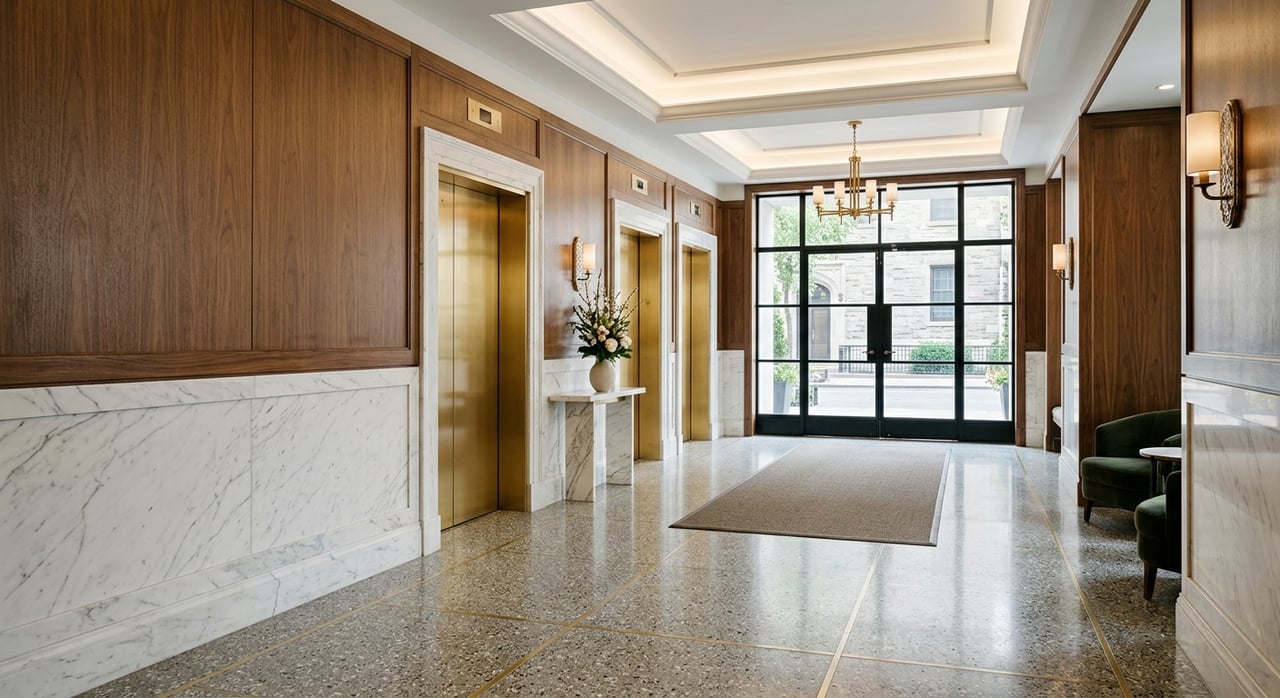
Buying a Pacific Heights condo can look simple from the outside. You see a beautiful building, a great address, and maybe a glimpse of Bay views, and it is easy to assume the rest will take care of itself. In reality, Pacific Heights rewards buyers who look past curb appeal and evaluate each property block by block, building by building, and document by document. If you want to judge a condo like an insider, here is what to focus on before you write an offer. Let’s dive in.
Start With the Block
Pacific Heights is not one uniform condo market. San Francisco Planning research shows the neighborhood developed over time from sand dunes and dairies into a high-value residential district, with different housing patterns depending on the block, elevation, and era of construction.
That matters because one street can feel very different from the next. Some blocks are known for large detached homes with setbacks, some have flats on corners and lower elevations, and the eastern end has a denser apartment presence. In practical terms, the exact location often matters as much as the Pacific Heights name itself.
Compare Elevation and Position
When you tour condos, pay attention to where the building sits within the neighborhood. Higher elevations may offer stronger outlooks and a different sense of privacy, while lower or denser sections may feel more urban and have a different building mix.
This is also where value can separate quickly. Two condos with similar square footage can perform very differently if one has better light, more open exposure, or a quieter setting on a stronger block.
Notice the Building Era
Pacific Heights includes a wide range of architectural styles and eras. Historic evaluations identify influences such as Period Revival, Shingle, Arts & Crafts, Classical Revival, Colonial Revival, Tudor, French Provincial, and Mediterranean Revival.
Older architecture can add character and long-term appeal, but it can also change how you evaluate condition, maintenance, and renovation flexibility. A buyer who understands the building era is better prepared to spot both value and risk.
Verify Historic Status Early
One of the first things to confirm is whether the property is an Article 10 Landmark or located within an Article 10 Historic District. In San Francisco, exterior alterations that require a permit on those properties need a Certificate of Appropriateness or an Administrative Certificate of Appropriateness before a building permit can be issued.
That does not mean you should avoid historic buildings. It means you should understand the review process before assuming you can change windows, modify an entry, alter a façade, or add features that affect the exterior.
Ask About Original Features
Historic character often affects both value and renovation options. Planning documents identify character-defining features that may include formal massing, front and side setbacks, garden walls, high-quality materials, gable and hip roofs, wood-sash windows, and siting that captures Bay views.
If you are looking at an older condo, ask which features are original, which were replaced, and whether prior changes were done with permits. That helps you understand what you are actually buying and what future work may involve.
Evaluate the Building, Not Just the Unit
A strong Pacific Heights condo usually earns its premium through the quality of the building as much as the unit itself. That means you should evaluate floor plan, systems, and common-area condition with the same care you bring to finishes and staging.
Many buyers focus on countertops and paint color. Insiders focus on how the building lives day to day and what it may cost to own over time.
Check Floor Plan, Light, and Outlook
Start with plan efficiency. Look at window placement, ceiling height, setbacks, storage, parking, and the way the rooms flow.
Then consider whether the home feels like a converted flat, a purpose-built condominium, or an older co-op building. The California Department of Real Estate notes that subdivision type is defined by law, not by appearance, so a building that looks like apartments may have a very different ownership structure.
Review Core Building Systems
Because many Pacific Heights buildings are older, building systems deserve close attention. Review the roof, foundation, plumbing, electrical service, elevators, waterproofing, and any shared mechanical systems with a long-term ownership mindset.
You are not just buying your walls in. You are buying into the condition and future upkeep of the entire structure.
Investigate Seismic and Permit History
San Francisco’s Department of Building Inspection says soft-story buildings are found citywide and have substantial concentrations in Pacific Heights. That makes seismic history one of the first practical items to review.
If a building has a soft-story condition, or if prior retrofit work was completed, that can affect both safety planning and future costs. You want to know what has already been done and what may still be ahead.
Research Permits and Complaints
DBI’s permit tracking system allows research into permit and complaint history dating back to the 1980s, and SF Property Information offers parcel-level access. That history can reveal major envelope work, structural upgrades, plumbing replacements, electrical changes, elevator work, or unresolved issues.
A clean presentation at a showing does not replace a review of the record. Permit history often tells you whether a building has been maintained proactively or patched reactively.
Understand What Is Being Sold
This is especially important in Pacific Heights, where ownership structures can vary. Before you get deep into due diligence, confirm whether the property is a condominium, stock cooperative, or another legal form of ownership.
That question matters because appearance alone is not enough. The legal structure affects what you own, how the building is governed, and what documents you need to review.
Condo vs. Co-op
In a condominium, you typically own a deeded unit plus an interest in the common area. In a stock cooperative, the corporation holds title to the property, and shareholders receive a right of exclusive occupancy.
That is a major difference. In co-ops, management and ownership rights are shaped by articles, bylaws, occupancy agreements, leases, subscription agreements, and house rules, so your due diligence needs to match that structure.
Read the HOA Package Like a Decision Tool
For common-interest properties in California, sellers must provide buyers with a substantial disclosure package. That package can include governing documents, annual budget materials, statements of assessments and unpaid charges, notices of unresolved violations, certain defect and litigation-related materials, approved assessment changes, rental restrictions if any, board minutes on request, and the most recent soft-story inspection report if applicable.
This is where the real ownership story usually shows up. The monthly dues alone do not tell you enough.
Focus on Reserves and Future Costs
The annual budget report must include a reserve summary, reserve funding plan, statements about deferred major repairs, expected special assessments, association loans, an insurance summary, and FHA or VA condominium status statements when applicable.
That gives you a working picture of the building’s financial health. If the reserves are thin and the building has major work coming, the true cost of ownership may be much higher than it first appears.
Watch for Red Flags
Pay extra attention to issues like:
- Deferred roof, elevator, waterproofing, or façade work
- Thin reserves relative to upcoming capital projects
- Repeated or likely special assessments
- High insurance deductibles or coverage gaps
- Board minutes that suggest unresolved repair disputes or recurring envelope issues
None of these automatically kills a deal. But each one should affect your pricing, risk analysis, and negotiation strategy.
Review Insurance With Care
Insurance summaries in the HOA documents deserve more attention than they often get. California law requires the summary to identify property, general liability, earthquake, flood, and fidelity coverage, including deductibles.
That matters because association insurance may not cover your own improvements or personal property. A building with large deductibles or important exclusions can shift more financial risk back to individual owners.
Think About Renovation Before You Buy
If you are buying with plans to improve the condo, test those ideas early. In Pacific Heights, renovation feasibility can be shaped by the ownership structure, the HOA rules, the permit record, and any historic designation.
A dream kitchen, a window change, a roof deck concept, or an entry update may involve more review than expected. The right question is not just, “Can this be done?” but “What approvals would be required, and how predictable is the process?”
Ask Better Pre-Offer Questions
Before making an offer, try to answer these questions clearly:
- What legal ownership form is actually being sold?
- Is the reserve study current?
- Does it suggest deferred maintenance or future special assessments?
- What does the permit history show for roof, foundation, plumbing, electrical, elevator, or seismic work?
- Is the property landmarked or in an Article 10 historic district?
- Would planned exterior changes trigger preservation review?
- Does the insurance summary show deductibles or exclusions you need to budget around?
When you can answer those questions before you commit, you make a cleaner decision and protect your negotiating position.
Why Insider-Level Evaluation Matters
Pacific Heights condos can be exceptional assets, but they are rarely simple products. The neighborhood’s mix of historic architecture, varied block patterns, older building systems, and different ownership structures means surface-level analysis is not enough.
The buyers who do best here are the ones who evaluate location, legal structure, building condition, and HOA health together. That is how you separate a trophy address from a truly smart purchase.
If you want experienced, neighborhood-specific guidance as you evaluate Pacific Heights condos, Jeff Marples offers a direct, informed approach built around clear advice, strong due diligence, and smart negotiation.
FAQs
How should you evaluate a Pacific Heights condo location?
- Look at the specific block, elevation, and building context, since Pacific Heights varies from block to block in density, outlook, and housing type.
What should you verify first for a historic Pacific Heights condo?
- Confirm whether the property is an Article 10 Landmark or in an Article 10 Historic District, because exterior changes may require preservation review before permits are issued.
Why does ownership structure matter in a Pacific Heights condo purchase?
- A condo, stock co-op, or other legal form gives you different ownership rights, governance rules, and due diligence documents, even if the buildings look similar.
What HOA documents matter most for a Pacific Heights condo?
- Focus on the budget, reserve summary, reserve funding plan, insurance summary, assessment disclosures, unresolved violations, and relevant board minutes.
What are common red flags in older Pacific Heights condo buildings?
- Watch for deferred maintenance, weak reserves, likely special assessments, insurance gaps, recurring envelope issues, and incomplete seismic or permit history.
Why is permit and seismic research important for Pacific Heights condos?
- Permit and seismic records can reveal soft-story conditions, retrofit work, major repairs, and patterns of maintenance that are not obvious during a showing.