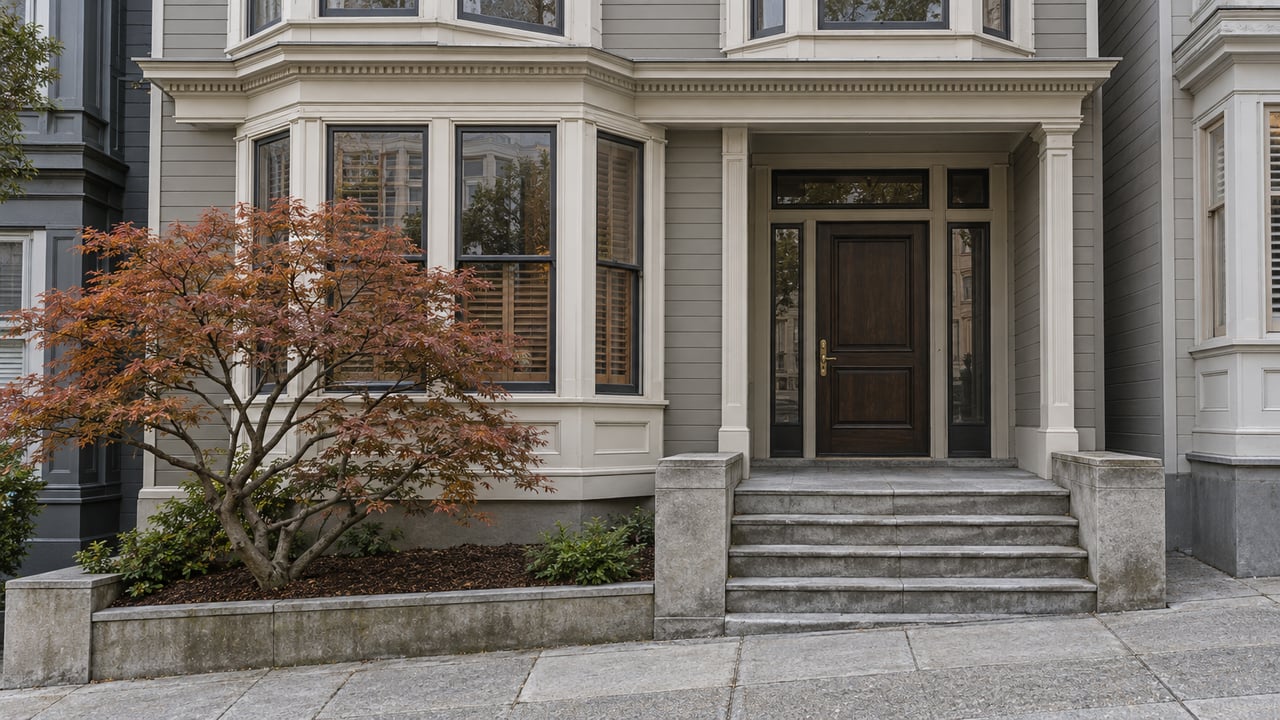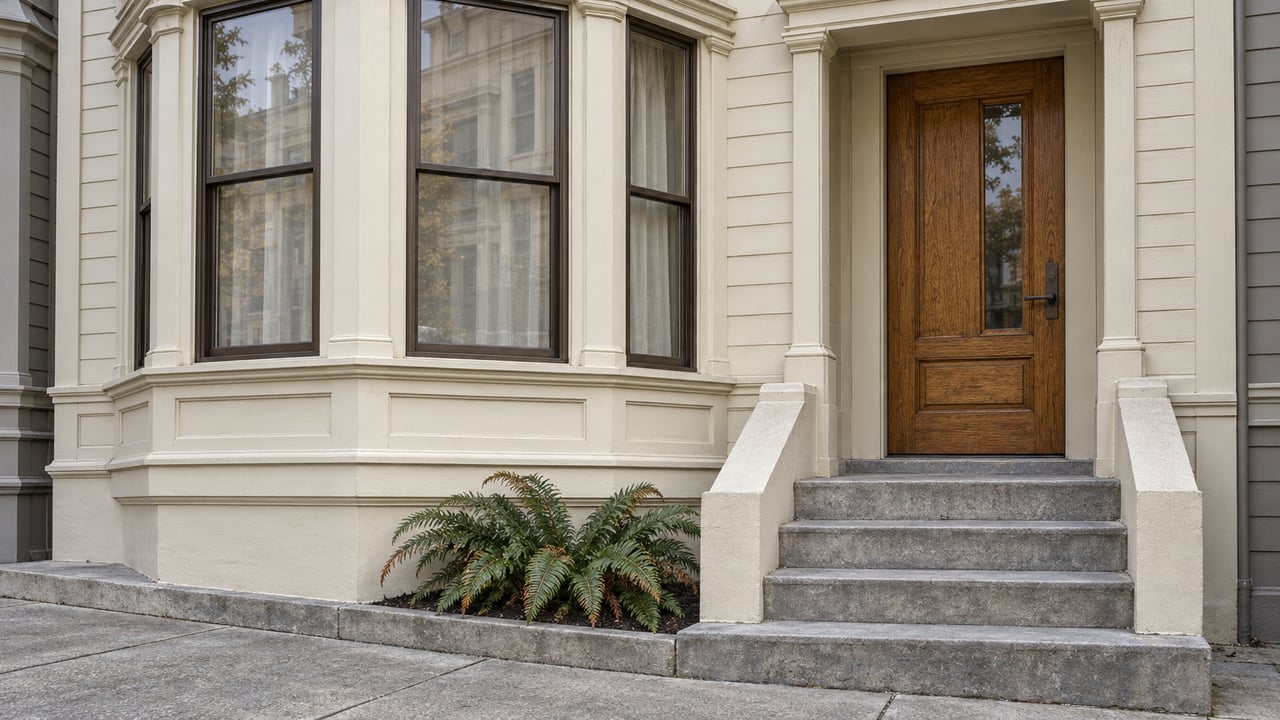
Until Mission Bay School arrived, Mission Bay had no public school for neighborhood families to walk to.
Mission Bay School held its ribbon cutting on the morning of August 6, with Superintendent Maria Su and Principal Monette Benitez cutting the ribbon on a four-story building at the corner of 6th Street and Mission Bay Boulevard South. Its first students, a class of pre-kindergartners and kindergartners, start on August 17. San Francisco Unified hasn't opened a new elementary campus in the city in 20 years, and hasn't opened any new school since Willie Brown Middle in the Bayview in 2015.
That's the headline. The more useful story for anyone who already lives here is what took this long, and what the "neighborhood school" label does and doesn't actually guarantee once the ribbon comes down.
A Neighborhood That Outgrew Its Own Plan
Mission Bay was still rail yards and warehouses when the city's 1998 redevelopment plan penciled in space for a school. The land itself, tucked behind UCSF's Mission Bay campus, was set aside for education use as far back as 1988. UC San Francisco held onto the parcel until 2022, when it finally transferred to the school district.
In the meantime, the neighborhood did what the plan assumed it would. Population nearly doubled, from roughly 9,000 residents in 2010 to more than 17,400 by 2020, as more than 6,000 housing units went up around Chase Center, UCSF's medical campus, and a growing cluster of biotech and tech offices. Every household here with school-age kids has, until this month, had to look outside the neighborhood for a public elementary seat, most often at Daniel Webster Elementary, the school whose attendance area has covered Mission Bay by default.
Bruce Agid, who chaired the Mission Bay School Steering Committee formed back in 2015, described the delay in the context of districtwide enrollment: the district has close to 14,000 empty seats citywide and projects enrollment to fall by another 4,600 students by 2032. The school is now opening in the neighborhood the city planned for development.
Inside the Building
The building itself is designed to look like it belongs to the neighborhood rather than to a district checklist. Architect Chris McGiff-Brown built the classrooms around what he calls Universal Design for Learning, meaning wide, movable glass doors that let rooms combine into shared workspaces on demand. Bright hallways, colorful breakout spaces, and a library overlooking the hardtop yard round out the four floors. The San Francisco Standard reported that one founding parent thought the finished campus looked almost "private-like."
The fourth floor houses the Mission Bay Learning Hub, a program that draws students from six high schools across the city into STEM pathways, which means the building pulls in teenagers from well outside the neighborhood even as it enrolls its own youngest residents downstairs.
Living Near It Isn't the Same as Being Zoned for It
Here's the part worth knowing if you're raising a family in Mission Bay and assumed the new building solves your assignment question automatically. It doesn't. San Francisco doesn't assign elementary students by strict neighborhood boundary. It runs a citywide lottery, and Mission Bay School shares its attendance area with Daniel Webster, meaning households here get a tiebreaker toward both schools rather than a guarantee at either.
Proximity is one input into an assignment system, not the system itself, and anyone banking on walking distance alone should read the district's tiebreaker rules before assuming a spot.
What the school will do regardless of who gets in: serve pre-K through kindergarten this first year, then add a grade annually until it reaches roughly 400 students and a full TK through 5 program by 2032.
The Rest of the Month Doesn't Wait for the Bell
School isn't the only calendar Mission Bay runs on in August. Thrive City, the 11-acre plaza wrapped around Chase Center, is in the closing stretch of a summer that's run more than 80 free events since June, a partnership between the Warriors and Kaiser Permanente that has produced over 500 public gatherings since 2023. A few dates worth knowing if you haven't been paying attention since basketball season ended:
- August 9: Harmonic Jam brought live sets from Bay Area jam bands to the plaza, alongside food and drinks from Thrive City's own restaurant lineup.
- August 9, 1:30 to 4 p.m.: Final auditions for the 2026-27 Warriors Entertainment Teams, from the Gold Squad to the Hardwood Classics, ran the same afternoon and were open for anyone to watch.
- Through August 21: Little Bears Music Classes continue on select Fridays, split into a session for babies and toddlers and a separate one for preschoolers.
None of that requires a ticket to a game. Thrive City's whole premise is that the plaza works on non-event days too, and August is the month that argument gets tested before fall programming resets.
The Park Stopped Being New a While Ago
If you've read a Mission Bay guide anytime in the past two years, it probably called China Basin Park the neighborhood's newest green space. That framing is getting stale. The park opened in April 2024, which means it's now old enough that the sand beach, the relocated statue of Willie McCovey, and the Bay Trail connection running along the shoreline are simply part of how people already move through the neighborhood, not something to point out to visitors.
What has changed is what sits inside it. Fieldwork Brewing Co. runs a walk-up window at 1 China Basin Park with outdoor seating, pouring both its regular lineup and a non-alcoholic beer and soda selection, a few steps from the same sand where kids build castles across McCovey Cove from Oracle Park. The architect who worked on the park's design told Bay Nature the space was built to keep evolving, calling it "a living, breathing thing, and it changes with the city." Two summers in, that's what's happened. The park itself isn't the story anymore. How the neighborhood uses it, alongside a school and a plaza that finally give the area its own daily landmarks, is.
What Changes This Month, and What Doesn't
Put the three threads together and the shift is specific, not atmospheric. For as long as Mission Bay has existed as a residential neighborhood, its calendar has been borrowed. Kids left for school in Potrero Hill. Summer events happened because a private partnership built a plaza around an arena. A park opened as a headline, then settled into routine. This August is the first time one of those three pieces, the school, originates here instead of somewhere else. The first day of school on August 17 isn't a bigger version of what other neighborhoods already have. It's the first time Mission Bay has had one at all.
That's worth noticing whether or not you have a kid starting kindergarten this fall. A neighborhood that generates its own institutions, rather than importing them, tends to feel different to live in a year from now than it does today.
If you're watching how a fast-changing neighborhood like Mission Bay is settling into itself and wondering what it means for your own plans, Jeffrey Marples can walk through the specifics with you. Request a personalized market consultation whenever you're ready to talk.